Secured vs Unsecured Loans: Understanding Your Options

Your car just broke down, the medical bill is due, or an unexpected home repair can’t wait. You need a financial solution, and you start searching for information on the difference between secured and unsecured loan. Understanding these two main loan types is your first step toward finding a practical and responsible way to manage your urgent situation.
Understanding Difference Between Secured and Unsecured Loan
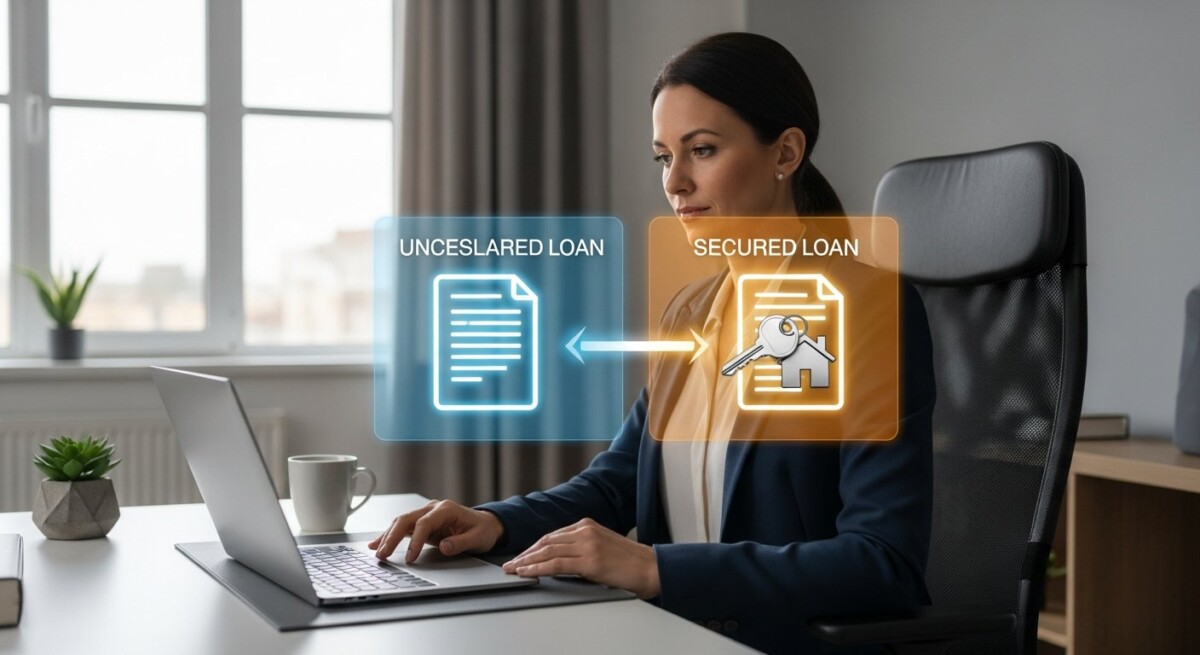
At its core, the difference between a secured and unsecured loan comes down to one key thing: collateral. A secured loan requires you to pledge an asset, like a car or house, as a guarantee for the lender. An unsecured loan does not require this kind of pledge.
This fundamental difference affects almost everything about the loan. It impacts the amount you can borrow, the interest rate you might get, and the risk involved for both you and the lender. Knowing which type you’re considering helps you make a smarter, more informed decision.
What is Collateral?
Collateral is simply an item of value that you own and promise to the lender if you cannot repay the loan. For a secured loan, this promise is a formal part of the agreement. Common examples include a vehicle title for an auto loan or the property itself for a mortgage.
When People Consider Short-Term Loans
Short-term loans, which are often unsecured, are commonly used to bridge a temporary gap in finances. They are designed for immediate, urgent needs rather than long-term investments. Life’s surprises don’t wait for payday, and these loans can offer a path forward.
People typically look for these options when they have a clear, one-time expense and a plan to repay it quickly. The goal is to solve the pressing issue without creating a long-term debt cycle. It’s about managing a cash flow timing problem.
- Unexpected Bills: A high utility bill or an insurance payment that’s due immediately.
- Urgent Home or Car Repairs: Fixing a broken furnace or repairing a car needed for work.
- Medical or Dental Expenses: Covering costs not fully paid by insurance.
- Temporary Cash Shortages: Managing expenses when an unexpected cost arises before your next paycheck.
If you are exploring short-term loan options, comparing lenders can help you find the right solution. Request loan offers or call to review available options.
Common Types of Short-Term Loans
Most short-term loans you’ll encounter are unsecured. This means the lender is taking a greater risk by not asking for collateral, which is reflected in the loan’s terms. They rely more on your promise and ability to repay.
Understanding the common names for these loans helps you know what you’re applying for. Each type has a slightly different structure, but they all serve the purpose of providing relatively fast access to funds for short-term needs.
- Payday Loans: Small-dollar loans typically due in full on your next payday.
- Installment Loans: Loans repaid over a set period with a series of scheduled payments.
- Personal Cash Advances: Funds provided ahead of your paycheck, often repaid from your next direct deposit.
- Online Short-Term Loans: A broad category of unsecured loans applied for and managed via online lenders.
How the Loan Application Process Works
The application process for an unsecured, short-term loan is usually straightforward and faster than for secured loans. Since there’s no need to appraise collateral, the focus is on your current financial situation. The goal is to get you an answer quickly so you can address your urgent need.
While specific steps vary by lender, the general flow is similar. Being prepared can make the process smoother and help you understand what’s happening at each stage. For instance, understanding the difference between instant and next-day funding can help you set realistic expectations for when funds might arrive.
- Submit a Loan Request: You provide basic personal and financial information, usually online or in a store.
- Provide Income Details: Lenders verify you have a source of income to ensure repayment ability.
- Lender Review and Approval: The lender assesses your application based on their criteria.
- Receive Loan Offers: If approved, you’ll receive an offer detailing the loan amount, fees, and repayment schedule.
- Receive Funds if Approved: Once you accept the terms, funds are disbursed, often via direct deposit to your bank account.
Comparing multiple lenders can help you find loan terms that match your situation. Compare loan offers or call to explore available funding options.
Factors Lenders May Consider
Because unsecured loans aren’t backed by collateral, lenders look closely at other factors to decide if they can approve your application. Their main concern is your likelihood of repaying the loan as agreed. They want to see stability and responsibility.
Don’t assume a less-than-perfect financial history means you won’t qualify. Many lenders specializing in short-term solutions understand that people face challenges. They often look at the bigger picture of your current situation.
- Income Verification: Proof of a steady job or regular income source is crucial.
- Employment Status: Current employment provides confidence in your ability to repay.
- Credit History: While some lenders check credit, others may use alternative data.
- Repayment Ability: Lenders evaluate if the proposed loan payment fits within your likely budget.
Understanding Loan Costs and Terms
This is the most critical part of your decision. Always read and understand all the costs before agreeing to any loan. The total cost of a short-term unsecured loan is typically higher than that of a secured loan due to the increased risk for the lender.
The key is to know exactly what you’re committing to. Look beyond just the amount you receive and focus on the total amount you will repay. This includes all fees and interest charges over the life of the loan.
- Interest Rates (APR): The annual percentage rate shows the yearly cost of the loan, including fees. For short-term loans, this rate can be high, so understand what it means for your repayment.
- Repayment Period: Know the exact due date(s). Is it a single payment or multiple installments?
- Fees or Penalties: Be aware of any origination fees, late payment fees, or prepayment penalties.
Loan terms can vary between lenders. Check available loan offers or call to review possible options.
Tips for Choosing the Right Loan Option
Taking a little time to choose carefully can save you stress and money later. Your goal is to find a solution that fits your specific need without creating a larger financial problem. A responsible choice is one you can manage confidently.
Treat loan shopping like any other important purchase. Compare your options, ask questions, and don’t rush. The right loan for you is one with clear terms and a payment plan you know you can handle.
- Review Repayment Terms Thoroughly: Make sure you know the payment dates, amounts, and method.
- Compare Multiple Lenders: Costs and terms can vary significantly. Shopping around is powerful.
- Borrow Only What You Need: It can be tempting to take more, but borrowing the minimum necessary keeps costs and future payments lower.
- Plan Repayment Carefully: Before you accept, look at your budget and ensure the payment fits. Have a plan for where the repayment money will come from.
Responsible Borrowing and Financial Planning
Short-term loans are tools for specific situations, not long-term financial strategies. Using them responsibly means having a clear exit plan,knowing exactly how you will repay the debt. This protects your financial health and avoids cycles of borrowing.
If you find yourself frequently needing short-term loans, it may be a sign to look at your overall budget. Consider speaking with a non-profit credit counselor who can help you create a spending plan and manage debt. The best loan is one that helps you solve a problem without creating a new one.
What happens if I can’t repay a secured loan?
If you fail to repay a secured loan, the lender has the legal right to take the collateral you pledged. For example, with an auto title loan, the lender could repossess your car. This is the primary risk of a secured loan.
Are unsecured loans safer for borrowers?
Unsecured loans don’t risk a specific asset like your car, but they are not without risk. If you default, the lender can still take legal action to collect the debt, which may include wage garnishment or negative marks on your credit report that last for years.
Which loan type is easier to get approved for?
If you have poor credit, a secured loan might be easier to qualify for because the collateral reduces the lender’s risk. However, the application process for unsecured short-term loans is often faster and doesn’t require you to own a valuable asset to pledge.
Do I need good credit for an unsecured loan?
Not necessarily. Many lenders offering short-term unsecured loans consider factors beyond your credit score, such as your income and employment. However, better credit may help you qualify for lower rates or better terms.
Can I use a short-term loan for any purpose?
Generally, yes. Most unsecured personal loans and cash advances don’t restrict how you use the funds. This makes them flexible for various urgent needs, from bills to repairs. Secured loans, like auto title loans, often have fewer restrictions as well.
How quickly can I get funds from an unsecured loan?
Funding speed varies. Some online lenders offer same-day or next-business-day funding upon approval, while others may take a day or two. Always ask the lender about their funding timeline so you can plan accordingly.
Is a payday loan secured or unsecured?
Payday loans are almost always unsecured. They are not backed by collateral like a car or house. Instead, you typically provide a post-dated check or authorization for electronic withdrawal from your bank account as a promise of repayment.
What should I do if I’m struggling with loan repayments?
Contact your lender immediately. Many are willing to discuss options like a payment plan extension. Avoid missing a payment without communication, as this leads to fees and collection actions. Seeking help from a non-profit credit counseling agency is also a wise step.
Facing a financial shortfall can be stressful, but understanding your options puts you in control. By knowing the key difference between secured and unsecured loan, you can better evaluate which path, if any, is right for your unique situation. Always take the time to compare lenders, read the fine print, and choose a solution that offers a clear and manageable way forward. Your financial well-being is worth that careful review.


About Isaac Cooper
Related Posts