
How to Tell If a Loan Website Is Secure Before Applying
Use these practical checks to confirm a loan website is secure before applying, from verifying the URL to spotting cloned sites and protecting your data.

By Olivia Reed
You are minutes away from submitting your Social Security number, bank account details, and income information to a loan website. The site looks polished, the offer seems perfect, and the application is short. But before you hit submit, a single question should stop you: is this website actually secure, or is it a sophisticated trap designed to steal your identity? Loan-related phishing and fake lending sites are among the most common online scams, and they cost consumers millions each year. The good news is that a few practical checks can help you separate a legitimate lending connection service from a dangerous impostor. This guide walks you through exactly how to tell if a loan website is secure before applying, using the same techniques security professionals recommend.
Start with the URL and the Padlock, but Read Them Correctly
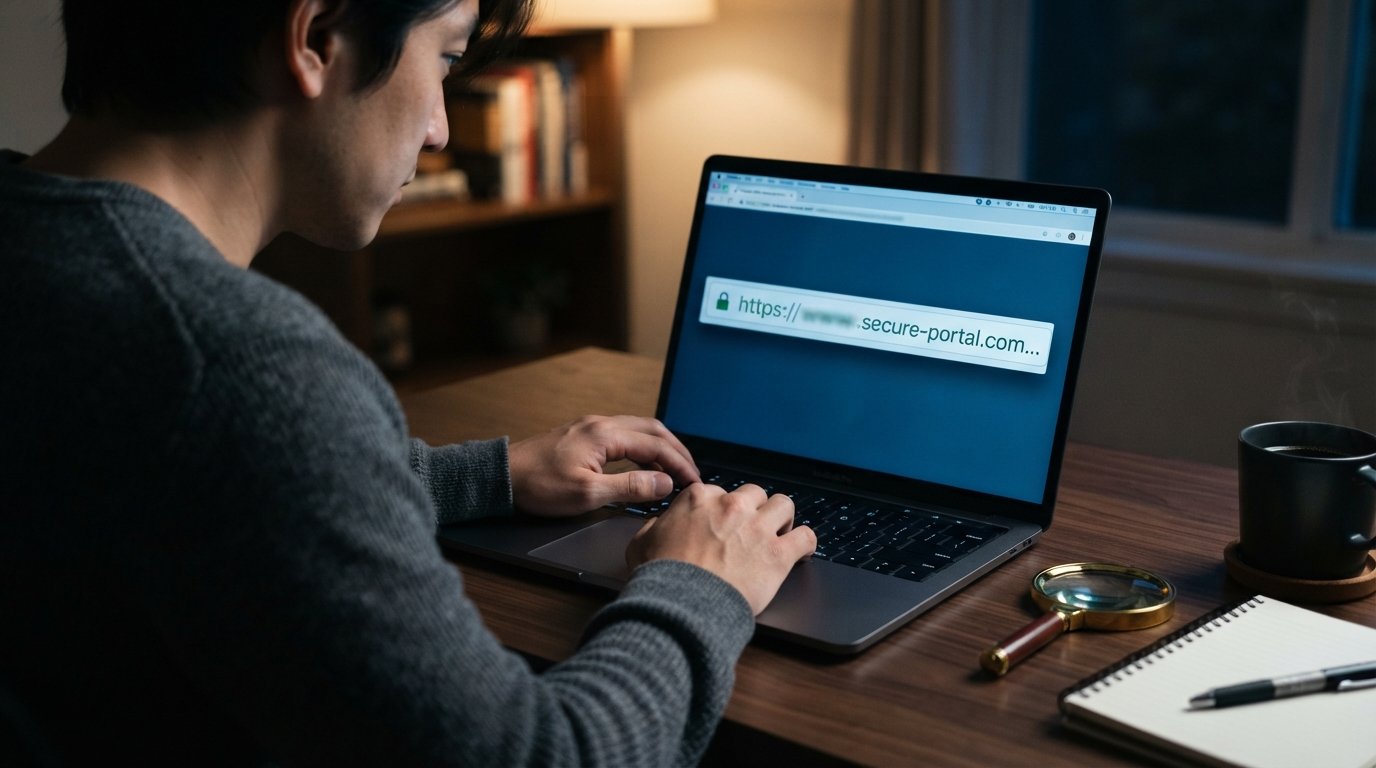
The padlock icon and the "https" prefix are the first things most people notice, and they matter, but they are widely misunderstood. The padlock means the connection between your browser and the website is encrypted, so data in transit cannot be easily intercepted. It does not mean the website owner is honest, reputable, or legally operating. Scammers can obtain SSL certificates in minutes, so a padlock alone is not proof of legitimacy. You need to look deeper at the address itself.
Examine the domain name character by character. Scammers often use typosquatting, registering domains that look almost identical to a real company, such as adding an extra letter, swapping a letter for a number, or using a different top-level domain like .net instead of .com. For example, if the legitimate site is cashloanfunded.com, a fake might use cashloanfundedd.com or cashloanfunded.org. Before you type any personal information, verify the domain against the company's official contact page or a trusted search result. Also check for subdomains that mimic legitimacy, such as secure.cashloanfunded.login-user.com, where the real domain is at the end. If the address looks even slightly off, close the tab.
Beyond the domain, pay attention to browser warnings. Modern browsers flag sites with expired certificates or mismatched security settings. Never click through a full-page warning that says "Your connection is not private" or "This site may be harmful." Those warnings exist for a reason, and ignoring them is one of the fastest ways to compromise your data. A legitimate financial services site keeps its certificate current and configured correctly.
Look for Transparency: Privacy Policy, Terms, and Contact Details
A trustworthy loan website does not hide its identity or its data practices. Before you enter a single field, scroll to the footer and look for a privacy policy, terms and conditions, and a physical contact method. These are not legal formalities; they are signals that the business operates in the open. The privacy policy should explain what information is collected, how it is shared with third-party lenders, and what choices you have. If the policy is missing, copied from another site, or so vague that it never names the company or explains data sharing, treat that as a red flag.
Also check for disclosures that specifically address lending. Legitimate connection services clearly state that they are not direct lenders, that loan terms come from third-party lenders, and that short-term loans may carry high APRs. CashLoanFunded, for instance, publishes its privacy policy, terms and conditions, e-consent details, and a data broker statement, all accessible from the homepage footer. That level of transparency is a strong trust signal. If a site promises guaranteed approval with no credit check and no mention of who actually funds the loan, be skeptical.
Contact information is equally telling. A real company provides multiple ways to reach support, such as a phone number, email address, and a physical mailing address. Test the phone number before applying; if it goes straight to voicemail with no company name, or if the email bounces, you have your answer. A physical address matters because it ties the business to a real location and makes it easier to verify and, if necessary, pursue legal recourse. Scammers prefer to operate behind a contact form alone.
Why a Physical Address and Phone Number Matter
It is easy to dismiss a mailing address as a minor detail, but it is one of the most reliable indicators of legitimacy. A scam site can register a domain and clone a design in hours, but it cannot easily fake a verifiable business presence. When a lender or connection service lists a street address, you can cross-check it against business registries, state licensing databases, and consumer reviews. You can also search the address to see whether it belongs to a virtual office or a real operational headquarters. A legitimate financial services company will not hesitate to tell you where it is based.
A phone number serves a similar purpose, but it also gives you a way to test responsiveness before you share sensitive data. Call the number and ask a simple question about the application process, such as what information is required or how long funding typically takes. A trained representative should be able to answer clearly and direct you to written disclosures. If the person on the line cannot explain basic details or pressures you to apply immediately, that is a warning sign. Legitimate lenders and matching services want informed borrowers, not rushed ones.
Physical presence also matters for regulatory reasons. In the United States, short-term lending is regulated at the state level, and legitimate companies must comply with licensing and disclosure requirements. A business with a real address and phone number is far more likely to be accountable to regulators and consumers. If you cannot find any verifiable location or contact method, you cannot confirm that the company is operating legally in your state. That uncertainty is reason enough to walk away.
Spot Cloned Sites That Mimic Real Lenders
Cloned websites are one of the most dangerous threats in online lending because they look almost exactly like the real thing. Scammers copy logos, color schemes, testimonials, and even legal disclaimers from a legitimate lender, then host the copy on a similar-looking domain. The goal is to get you to enter your personal and banking information before you notice anything wrong. These clones often appear in search ads or social media promotions, sometimes with urgent language like "limited-time offer" or "instant approval for everyone."
To spot a clone, compare the site you are on with the official site you reach through a trusted source. Open a new tab and navigate to the company's homepage by typing the known address directly or by using a search result you trust. Look for differences in the domain, the copyright year, the layout, and the contact details. Scammers frequently reuse outdated logos or leave small errors in the text. They may also have broken links, missing pages, or forms that behave strangely. If anything feels inconsistent, stop and verify through an independent channel.
Another common tactic is the fake loan offer that arrives by email or text message with a link to an application. Even if the message looks like it comes from a real company, do not click the link. Instead, go to the company's website directly and log in or apply there. For a deeper walkthrough of the warning signs, see our guide on how to spot a fake loan website before applying in 2026. It covers additional red flags, including fake trust badges and pressure tactics, that complement the checks in this article.
Evaluate the Application Form and Data Requests
Before you type anything, look at what the form asks for and when it asks for it. A legitimate loan connection service will collect information in a logical sequence: basic contact details first, then employment and income, then banking information for funding and repayment. It should explain why each piece of information is needed. If a site demands your Social Security number, bank account credentials, or a copy of your ID before showing you any terms or connecting you with a lender, that is a serious red flag. Scammers want the most sensitive data as quickly as possible.
Check whether the site uses a secure form. You can confirm this by looking at the page address; the form should be on a page that begins with https. Some sites embed forms from third parties, which can be legitimate, but you should still verify that the form provider is reputable. Avoid entering information into pop-up windows or forms that appear over the page without a clear connection to the main site. Also be wary of requests for unusual information, such as your online banking username and password. No legitimate lender needs that level of access to approve a loan.
Read the consent language carefully. A trustworthy site will ask for your permission before sharing your information with third-party lenders and will explain what that means. It should also provide a way to opt out of marketing communications and a link to its privacy choices. If the consent box is pre-checked or buried in fine print, take a moment to understand what you are agreeing to. Informed consent is a hallmark of a legitimate financial service.
Check for Trust Signals and Independent Verification
Trust signals are not a substitute for the checks above, but they add confidence when they are verifiable. Look for a clear business name, a copyright notice that is current, and links to social media profiles that have real activity. Check whether the company appears in independent reviews or consumer protection databases. Search for the company name plus words like "scam," "complaint," or "review" and read what others have said. A single negative review is not disqualifying, but a pattern of fraud reports is a clear warning.
You can also verify licensing and regulatory standing. In the United States, lenders and some loan connection services must comply with state and federal regulations. Check your state's financial regulator website or the Nationwide Multistate Licensing System to see whether the company is licensed where required. If the site claims to be licensed but you cannot find a record, ask for the license number and verify it independently. Legitimate companies expect this kind of scrutiny and will provide the information promptly.
For a practical example of a transparent connection service, consider FreeQuotes.Loans, which explains its role as a matching platform, discloses that it connects users with third-party lenders, and provides clear contact and privacy information. That model, where the site is upfront about being a connection service rather than a direct lender, is a positive sign. When you understand who is actually providing the loan and what the terms are, you can make a more informed decision.
What to Do If You Suspect a Site Is Fake
If you suspect that a loan website is fake, stop the application immediately and do not enter any more information. Close the tab and, if you have already submitted data, contact your bank and the major credit bureaus to place a fraud alert or credit freeze. Change any passwords you may have used on the site, especially if you reused them elsewhere. Report the site to the Federal Trade Commission at ReportFraud.ftc.gov and to your state attorney general's office. These reports help regulators track and shut down scam operations.
Document what you saw: the URL, the company name, any phone numbers or email addresses, and screenshots of the site. This information is valuable for investigators and for any dispute you may need to file. If you shared financial information, monitor your accounts closely for unauthorized charges and consider identity theft protection. Acting quickly limits the damage and helps protect other consumers from the same scam.
Finally, remember that urgency is a tool scammers use to bypass your judgment. A legitimate lender will give you time to review the terms and will never pressure you to act immediately. If a site creates a sense of panic or promises guaranteed approval with no verification, slow down and verify. The few minutes you spend checking could save you thousands of dollars and years of identity headaches.
Putting It All Together: A Pre-Application Checklist
Before you apply for any loan online, run through a short checklist that covers the most important security and legitimacy signals. This process takes only a few minutes and dramatically reduces your risk. Use it every time, even if the site looks familiar, because cloned sites and domain tricks are designed to fool even careful users.
- Verify the domain: Check the URL character by character, confirm the top-level domain, and look for typosquatting or unusual subdomains.
- Confirm the padlock and certificate: Ensure the page uses https and that your browser shows no certificate warnings.
- Find the privacy policy, terms, and contact details: Look for clear disclosures about data sharing and a physical address and phone number you can verify.
- Test contact methods: Call the phone number and ask a basic question; check that the email address works and that the address is real.
- Review the application form: Confirm that it asks for information in a logical order, explains why it needs sensitive data, and provides clear consent language.
- Check independent sources: Search for reviews, complaints, and licensing records, and verify any claimed licenses directly with regulators.
After you complete the checklist, take one more moment to consider the offer itself. Does the site explain that it is a connection service or a direct lender? Are the loan amounts and repayment terms clear? Does it warn you about high APRs and the risks of short-term loans? A legitimate service like CashLoanFunded will be explicit about these points, because responsible lending requires informed borrowers. If the site avoids these details or promises unrealistic terms, the security checks are moot; walk away.
Security is not just about encryption. It is about transparency, accountability, and giving you the information you need to make a safe decision. By checking the URL, reading the fine print, verifying contact details, and watching for cloned sites, you can apply with confidence and avoid the most common traps. Your personal and financial data are valuable; protect them by treating every loan website as unverified until it proves otherwise.