How To Qualify For Cash Loan Funding: A Clear Guide


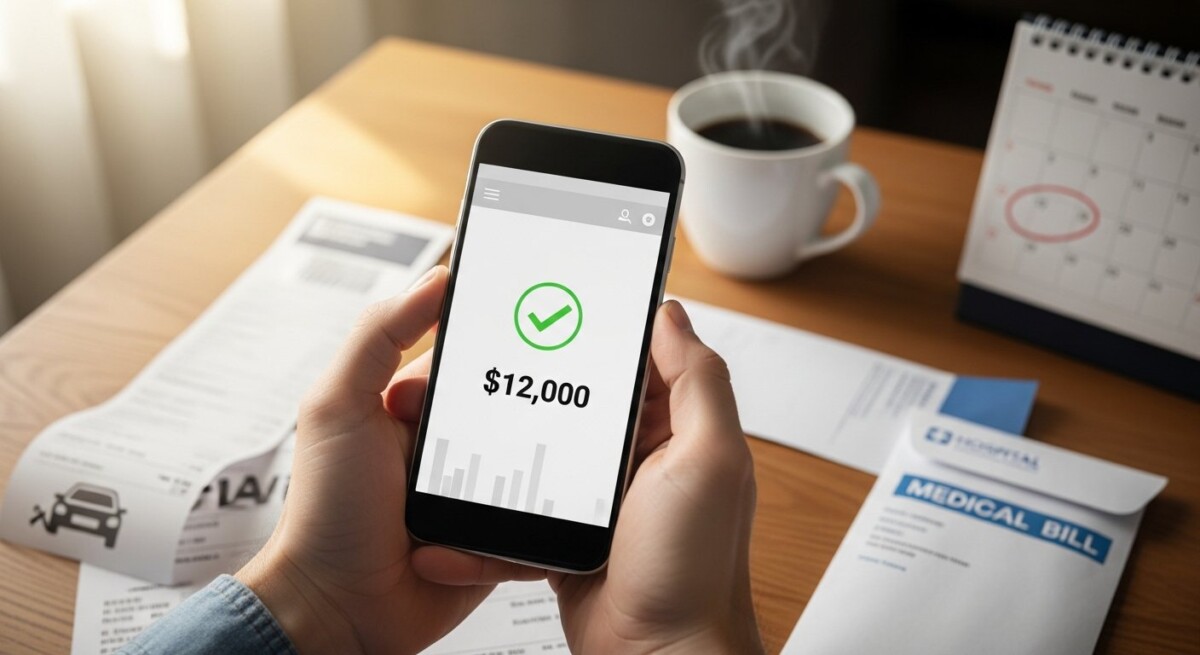
Imagine your car breaks down on the way to work. Or a medical bill arrives that you did not expect. You start searching online for how to qualify for cash loan funding because you need money quickly. Short-term loans can provide a bridge when your bank account is running low and an urgent expense cannot wait.
Understanding how to qualify for cash loan funding
Cash loan funding refers to small, short-term loans designed to help you cover immediate expenses. These loans are typically repaid within a few weeks or months, depending on the lender and the loan type. Unlike traditional bank loans, the application process is often faster and requires less paperwork.
People usually consider this option when they face an unexpected cost and do not have savings to cover it. The key is that the loan is meant to be a temporary solution, not a long-term financial fix. In our guide on what is loan funding timeline, we explain how quickly funds can reach you after approval.
How it works in simple terms
You apply for a specific amount of money, usually between $100 and $1,000. If approved, the lender deposits the funds into your bank account. You then repay the loan plus any fees or interest by an agreed date.
When People Consider Short-Term Loans
Life is unpredictable, and sometimes your paycheck does not stretch far enough. Short-term loans are often used during emergencies when other options, like borrowing from family, are not available.
- Unexpected medical bills or dental emergencies
- Urgent home repairs, such as a broken water heater or roof leak
- Temporary cash shortages before your next payday
- Car repairs needed to get to work or school
- Utility bills that must be paid to avoid service shutoff
These situations can cause stress, but knowing you have a funding option can bring some relief. Just remember that borrowing should be done carefully and only for true needs.
If you are exploring short-term loan options, comparing lenders can help you find the right solution. Request loan offers or call to review available options.
Common Types of Short-Term Loans
Not all short-term loans are the same. Understanding the differences can help you choose the one that fits your situation best. Each type has its own repayment structure and cost.
- Payday loans: Small loans typically due on your next payday. They are easy to get but often carry high fees.
- Installment loans: Borrow a larger amount and repay it in fixed monthly payments over several months. This can be easier to manage.
- Personal cash advances: A short-term loan from a bank, credit union, or online lender. Repayment terms vary.
- Online short-term loans: Applied for entirely through a website or app. Funds are usually deposited quickly.
Each option has pros and cons. Payday loans are fast but expensive. Installment loans give you more time to repay but may require a credit check. Always read the fine print before agreeing to any loan.
How the Loan Application Process Works
Applying for a cash loan is usually straightforward. Most lenders have simplified the process so you can get a decision within minutes. Here are the typical steps you can expect.
- Submit a loan request online or in person with basic personal and financial details.
- Provide proof of income, such as a pay stub or bank statement.
- The lender reviews your application and checks your ability to repay.
- If approved, you receive one or more loan offers with the terms clearly stated.
- Once you accept an offer, funds are deposited into your bank account, often by the next business day.
Many lenders do not require a perfect credit score. Instead, they focus on your income and current financial situation. This makes cash loans accessible to more people.
Comparing multiple lenders can help you find loan terms that match your situation. Compare loan offers or call to explore available funding options.
Factors Lenders May Consider
Lenders want to know that you can repay the loan on time. While requirements vary, most look at a few key factors before approving your request. Understanding these can help you prepare.
- Income verification: You need a steady source of income, whether from a job, benefits, or self-employment.
- Employment status: Being employed or having regular income shows stability.
- Credit history: Some lenders check your credit, but many offer loans for people with less-than-perfect credit.
- Repayment ability: Lenders assess whether your income is enough to cover the loan payment along with your other expenses.
If you have a low credit score, do not worry. Many short-term lenders focus more on your current income than your credit past. However, having a steady job or regular income is usually essential.
Understanding Loan Costs and Terms
Before you borrow, it is important to know exactly what the loan will cost you. Short-term loans often have higher interest rates than traditional loans because they are unsecured and quick to fund. Always look at the annual percentage rate (APR) and any additional fees.
Repayment periods vary. Payday loans are usually due in two to four weeks. Installment loans may give you three to six months or longer. Late payments can result in extra fees or penalties, so plan your repayment carefully.
Loan terms can vary between lenders. Check available loan offers or call to review possible options.
Tips for Choosing the Right Loan Option
Selecting the best loan for your needs takes a little research. Here are some practical tips to help you make a smart choice.
- Review repayment terms: Make sure the payment schedule fits your budget.
- Compare multiple lenders: Costs and terms can differ significantly between companies.
- Borrow only what you need: Taking extra money may lead to unnecessary debt.
- Plan repayment carefully: Set a reminder for the due date to avoid late fees.
Taking these steps can help you avoid common pitfalls. Remember, a loan is a tool, not a solution for ongoing money problems.
Responsible Borrowing and Financial Planning
Short-term loans can be helpful in a pinch, but they work best when used responsibly. Borrow only what you can afford to repay, and always read the loan agreement before signing. If possible, build a small emergency fund to reduce the need for future loans.
Budgeting is your best defense against financial surprises. Track your income and expenses to see where your money goes. If you find yourself relying on loans often, consider speaking with a financial counselor for free advice.
The goal is to use loans as a safety net, not a crutch. By planning ahead and borrowing wisely, you can handle emergencies without long-term consequences.
Frequently Asked Questions
What documents do I need to qualify for cash loan funding?
Most lenders require a valid ID, proof of income (such as a pay stub or bank statement), and an active checking account. Some may also ask for your Social Security number for verification. The exact documents vary by lender, so check their requirements before applying.
Can I get a cash loan with bad credit?
Yes, many short-term lenders offer loans to people with less-than-perfect credit. They often focus on your current income and ability to repay rather than your credit score. However, expect higher interest rates or fees compared to loans for borrowers with good credit.
How fast can I receive the funds after approval?
If you apply online and are approved, funds are often deposited into your bank account by the next business day. Some lenders offer same-day funding if you apply early enough. The exact timeline depends on the lender and your bank’s processing speed.
What happens if I cannot repay the loan on time?
If you miss a payment, the lender may charge a late fee or penalty. Some lenders offer extensions or repayment plans, but this can add more costs. Contact your lender as soon as possible if you think you will be late to discuss your options.
Are there any fees for applying for a cash loan?
Most lenders do not charge fees just to apply. However, some may charge origination fees or other costs that are added to the loan amount. Always read the loan offer carefully to see all fees before accepting.
How much can I borrow with a short-term loan?
Loan amounts typically range from $100 to $1,000, though some lenders offer up to $5,000 for installment loans. The exact amount depends on your income, the lender’s policies, and your state’s regulations. Borrow only what you need to cover your emergency.
Do I need a bank account to get a cash loan?
Yes, most lenders require an active checking account for depositing funds and processing repayments. Some lenders may accept a savings account, but this is less common. Having a bank account also makes the application process faster.
Can I have more than one cash loan at a time?
Some lenders allow it, but it is generally not recommended. Having multiple loans can make it difficult to keep up with payments and increase your debt. Focus on repaying one loan before taking out another.
When you need quick financial help, understanding your options is the first step. Take time to compare lenders, read the terms, and choose a loan that fits your budget. With careful planning, you can handle unexpected expenses and move forward with confidence.


About Isaac Cooper
Related Posts