
Emergency Loan for a Water Heater or Furnace Replacement
Need an emergency loan for a water heater or furnace replacement? Compare costs, loan types, and get funded as soon as the next business day.

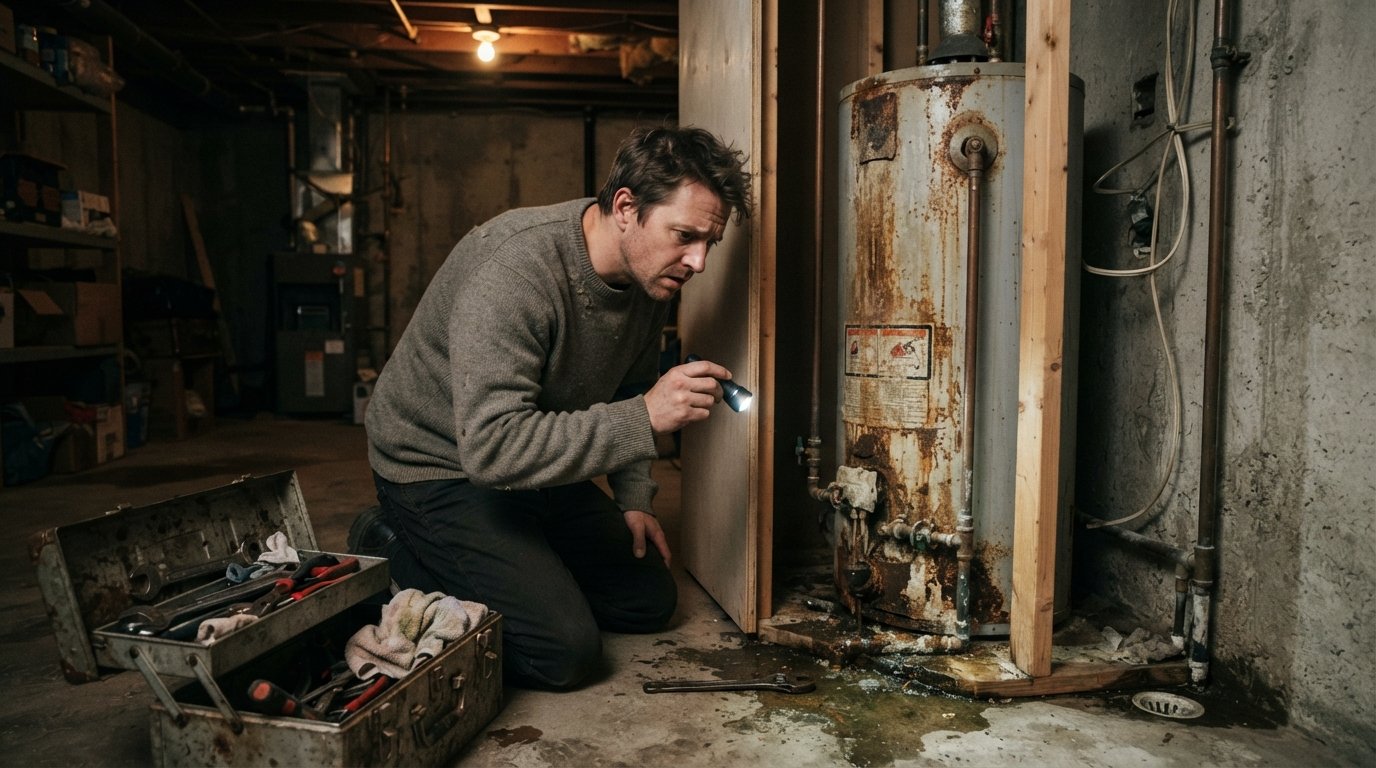
The cold shower that never ends. The furnace that clicks but never ignites. When a water heater or furnace fails, it is not just an inconvenience: it is an emergency that demands immediate attention and, often, immediate cash. A sudden replacement can cost anywhere from $800 to $6,000 or more, and most households do not have that kind of money sitting in a checking account. That is where an emergency loan for a water heater or furnace replacement becomes a practical lifeline. This guide walks you through realistic costs, loan options, application steps, and repayment strategies so you can restore comfort to your home without derailing your finances.
What an Emergency Water Heater or Furnace Replacement Really Costs
Before you borrow a single dollar, you need a clear picture of the expense. Costs vary widely by region, fuel type, and the complexity of the installation. A standard 40-gallon gas water heater replacement might run $900 to $1,500, while a tankless electric unit can exceed $3,000 with labor. Furnace replacements are even more variable: a basic gas furnace might cost $2,500 to $4,500 installed, but high-efficiency models, ductwork modifications, or emergency weekend calls can push the total past $6,000. In older homes, unexpected issues like corroded pipes or inadequate venting can add hundreds or thousands more.
These figures matter because they determine which type of emergency loan makes sense. If your total is under $1,000, a small cash advance or payday loan might cover it, though you should be aware of high fees and short repayment terms. For larger replacements, an installment loan or personal loan spreads the cost over months, making repayment more manageable. Always get at least two written estimates from licensed contractors, and ask whether they offer in-house financing or accept credit cards, as those options may be cheaper than a short-term loan.
Comparing Your Emergency Loan Options
When your furnace dies in January, you do not have the luxury of weeks of research. Still, a basic understanding of loan types will help you choose the least expensive path. Here are the main options for an emergency loan for a water heater or furnace replacement:
- Payday loans or cash advances: Small amounts (typically $100 to $1,000) with very short terms (usually 30 days or less). Fast funding, but extremely high APRs. Best for very small repairs if you can repay quickly.
- Installment loans: Larger amounts (often up to $5,000) repaid in scheduled payments over several months. Lower APRs than payday loans, but still higher than traditional bank loans. A good fit for mid-range replacements.
- Personal loans: Unsecured loans from $1,000 to $15,000 (or more) with fixed rates and terms of one to five years. Requires decent credit but offers the most predictable repayment.
- Contractor financing: Some HVAC and plumbing companies partner with lenders to offer promotional financing, sometimes with 0% APR for a limited time. Always read the fine print.
If you have bad credit or no credit history, you may still qualify for a loan through a matching service that works with multiple lenders. The key is to compare offers and never accept the first one without checking the APR, fees, and repayment schedule. Remember that short-term loans are designed for temporary financial gaps, not long-term debt, so borrow only what you need and have a plan to repay.
How to Get Matched with a Lender Quickly
Speed matters when your basement is flooding from a failed water heater. Online loan matching platforms can connect you with multiple lenders in minutes, letting you compare offers without visiting a bank. The process typically works like this:
- Submit one online request: Provide basic information such as your name, address, income, and banking details. The form usually takes under five minutes.
- Review offers from lenders: You may receive several loan offers with different amounts, APRs, and terms. Check the total cost of borrowing, not just the monthly payment.
- Choose an offer and e-sign: Once you accept a lender's terms, you sign electronically and wait for funds to be disbursed.
- Receive funds: Many lenders can deposit money into your bank account as soon as the next business day, sometimes even the same day if you apply early.
Platforms like AdvanceCash act as connectors, not direct lenders, and do not charge you a fee for matching. They simply present options from their network of third-party lenders. This can be a fast way to secure an emergency loan for a water heater or furnace replacement when you need cash urgently. Just be sure to read each lender's terms carefully before signing.
Budgeting Repayment Around Your New Appliance
Once the new furnace is humming, the last thing you want is a loan payment that strains your monthly budget. Before you borrow, calculate how much you can comfortably set aside each month after covering essential expenses. A general rule is to keep your total debt payments below 36% of your gross monthly income, but emergency situations may require flexibility. If you take a $3,000 installment loan at 15% APR over 24 months, your monthly payment will be roughly $145. That might be manageable, but if you choose a 12-month term, the payment jumps to about $271, which could be tight.
Consider ways to reduce the loan amount: ask the contractor for a discount for cash payment, use a home warranty if you have one, or check if your utility company offers rebates for high-efficiency units. Even a few hundred dollars saved can lower your loan principal and interest. Also, avoid the temptation to borrow more than the replacement cost. An emergency loan should solve the immediate problem, not fund a kitchen remodel. If you need help comparing loan amounts and terms, a guide to emergency loans in Miami Florida can illustrate how different loan sizes affect repayment.
Protecting Yourself from Predatory Lending
When you are desperate for heat or hot water, it is easy to overlook red flags. Predatory lenders may charge APRs over 400%, pile on hidden fees, or pressure you into rolling over a short-term loan repeatedly. Always ask for the APR, finance charge, and total of payments in writing. If a lender refuses to provide these details or rushes you to sign, walk away. Legitimate lenders will give you time to review the agreement and will not threaten you. Remember that you are never obligated to accept a loan offer; you can compare multiple offers and choose the one that fits your budget.
It is also wise to check whether your state regulates short-term loans and what protections exist. Some states cap APRs or limit rollovers. If you feel a lender has violated your rights, contact your state's attorney general or financial regulator. Your goal is to get reliable heat and hot water, not to enter a debt cycle that leaves you worse off. Emergency loans can be a bridge, but they should be used responsibly and repaid as agreed.
Frequently Asked Questions
Can I get an emergency loan with bad credit?
Yes, many lenders in the short-term loan market work with borrowers who have bad credit, repossession history, or even bankruptcy, as long as you can show a stable source of income and an active bank account. However, expect higher APRs and smaller loan amounts. It is essential to compare offers and borrow only what you can repay.
How fast can I receive funds for a furnace replacement?
If you apply through an online matching service and are approved by a lender, funds can be deposited as soon as the next business day. Some lenders offer same-day funding if you apply early in the day and complete verification quickly. Having your documents ready (ID, proof of income, bank statements) speeds up the process.
Should I ask the contractor about financing first?
Absolutely. Many HVAC and plumbing companies offer promotional financing or partner with lenders to provide special terms. Contractor financing can sometimes be cheaper than a short-term loan, especially if there is a 0% APR promotion for the first 12 months. Always read the fine print for deferred interest and fees.
What if I cannot repay the loan on time?
Contact your lender immediately if you anticipate a late payment. Some lenders offer hardship plans or extensions, though these may come with additional fees. Ignoring the problem can lead to late fees, higher interest rates, and damage to your credit score. Communicate early and explore alternatives.
An emergency loan for a water heater or furnace replacement can restore comfort to your home quickly, but it requires careful planning. Estimate the total cost, compare loan types, check contractor financing, and budget for repayment before you sign. With the right approach, you can handle the crisis without creating a long-term financial burden.