Cash Loan vs Personal Loan: Key Differences Explained Clearly


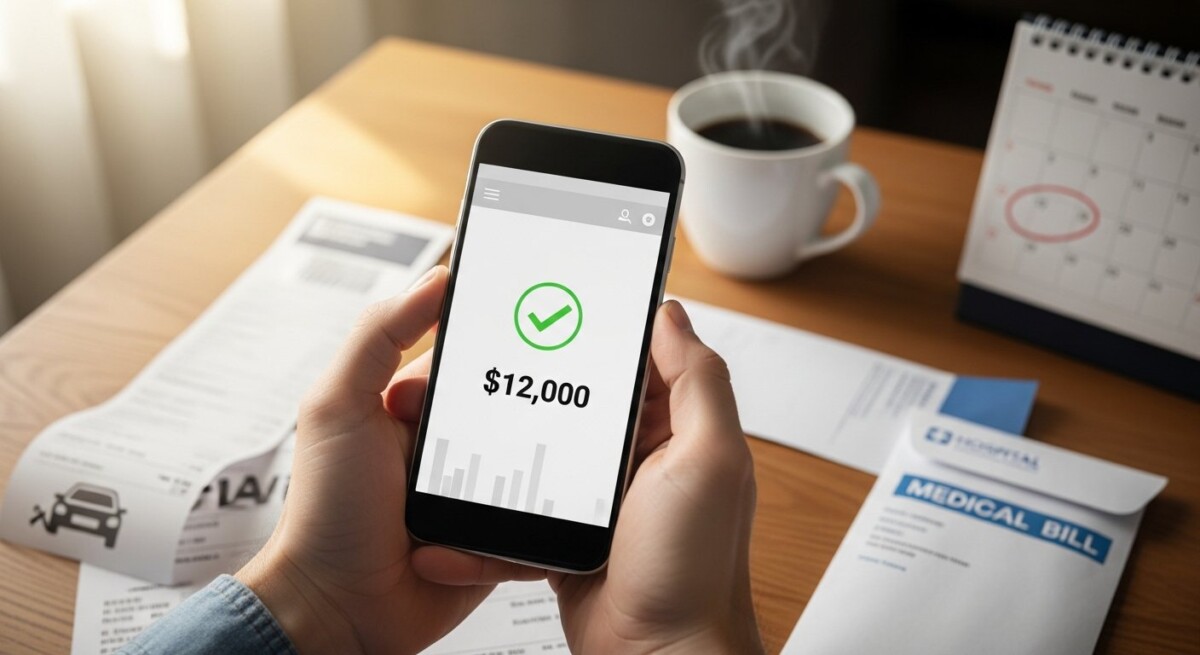
Imagine your car breaks down unexpectedly, or a medical bill arrives that you did not plan for. You start searching online for quick funding, and you come across terms like “cash loan” and “personal loan.” At first glance, they might sound like the same thing. But understanding the difference between cash loan and personal loan can help you choose the right option for your urgent financial needs without unnecessary costs or confusion.
Both types of loans can provide fast access to money, but they work differently in terms of repayment, cost, and approval speed. This guide explains everything in simple language so you can make a confident decision.
Understanding the Difference Between Cash Loan and Personal Loan
A cash loan is typically a short-term borrowing option designed to give you quick access to funds, often within 24 hours. These loans are usually for smaller amounts, sometimes as low as $100 up to $1,000 or $2,000, and they are repaid quickly,often within a few weeks or months.
Personal loans, on the other hand, are generally larger loans that you repay over a longer period, such as 12 to 60 months. They can be used for almost any purpose, from consolidating debt to funding a wedding. The approval process for personal loans usually takes longer because lenders review your credit score, income, and debt history more thoroughly.
The main difference lies in the speed, loan amount, repayment term, and cost. Cash loans prioritize speed and convenience, while personal loans offer more flexibility and lower interest rates for borrowers with good credit. In our guide on APR vs interest rate for cash loans, we explain how these costs compare between short-term and longer-term options.
When People Consider Short-Term Loans
Most people turn to short-term loans when they face a financial surprise that cannot wait until the next paycheck. These situations often feel urgent and stressful, and having a fast funding option can provide relief.
Here are common scenarios where borrowers seek short-term loans:
- Unexpected car repairs that prevent you from getting to work
- Urgent home repairs like a broken water heater or leaking roof
- Medical expenses not covered by insurance
- Temporary cash shortages before payday
- Emergency travel costs for a family situation
If you are exploring short-term loan options, comparing lenders can help you find the right solution. Request loan offers or call (866) 633-0283 to review available options.
Common Types of Short-Term Loans
Not all short-term loans are the same. Knowing the main types helps you identify which one fits your situation best.
- Payday loans: Very short-term loans, usually due on your next payday. They are easy to get but often carry high annual percentage rates (APRs).
- Installment loans: You borrow a fixed amount and repay it in equal monthly payments over several months. These can be a better choice than payday loans because the repayment schedule is more manageable.
- Personal cash advances: Some lenders offer cash advances against your next paycheck or through an app. These can be convenient but may include fees.
- Online short-term loans: Many online lenders now offer fast funding with quick online applications. They often serve borrowers with less-than-perfect credit.
Each type has its own costs and repayment rules, so it is important to read the fine print before agreeing.
How the Loan Application Process Works
The application process for most short-term loans is designed to be quick and straightforward. You do not need to visit a bank branch or wait for weeks.
- Submit a loan request online through a lending platform or lender website.
- Provide basic personal and income details, such as your employment information and bank account number.
- The lender reviews your information and makes a decision, often within minutes.
- If approved, you receive loan offers with the terms, including the amount, repayment schedule, and APR.
- Once you accept an offer, the funds are deposited into your bank account, sometimes as soon as the next business day.
Comparing multiple lenders can help you find loan terms that match your situation. Compare loan offers or call (866) 633-0283 to explore available funding options.
Factors Lenders May Consider
Lenders look at several factors to decide whether to approve your loan and at what interest rate. Understanding these can help you prepare a stronger application.
- Income verification: You need to show you have a steady source of income, such as a job, self-employment, or benefits.
- Employment status: Lenders prefer borrowers who are currently employed or have a reliable income stream.
- Credit history: While many short-term lenders accept borrowers with poor credit, your credit score can still affect the interest rate offered.
- Repayment ability: Lenders check your bank account and expenses to ensure you can afford the loan payments on time.
Even if your credit is not perfect, you may still qualify for a short-term loan if you can demonstrate a steady income.
Understanding Loan Costs and Terms
Loan costs can vary widely, so it is essential to understand what you are agreeing to before signing. The most important number to look at is the APR, which includes both the interest rate and any fees.
Short-term loans often have higher APRs than longer-term personal loans because the repayment period is shorter and the lender takes on more risk. However, if you repay the loan on time, the total cost may still be manageable for a small amount.
Watch out for hidden fees such as origination fees, late payment penalties, or prepayment penalties. Always ask the lender for a full breakdown of costs before you accept the loan.
Loan terms can vary between lenders. Check available loan offers or call (866) 633-0283 to review possible options.
Tips for Choosing the Right Loan Option
Choosing the right loan can save you money and reduce stress. Follow these practical tips to make a smart decision.
- Review the repayment terms carefully, including the due date and whether you can extend the loan if needed.
- Compare multiple lenders to find the lowest APR and best customer reviews.
- Borrow only the amount you truly need,avoid taking extra money just because it is offered.
- Plan your repayment in advance so you do not miss a payment and incur extra fees.
Taking a few extra minutes to compare offers can make a big difference in your overall experience.
Responsible Borrowing and Financial Planning
Borrowing money should always be done with a clear plan. Short-term loans are designed for temporary financial gaps, not long-term debt solutions.
Before you apply, take a moment to review your budget. Can you afford the loan payment without sacrificing essentials like rent, food, or utilities? If the loan payment feels too tight, consider borrowing a smaller amount or looking for other options such as payment plans with your creditor.
Responsible borrowing also means understanding that missed payments can damage your credit score and lead to additional fees. Only borrow what you can comfortably repay, and always read the loan agreement fully before signing.
Financial planning after the loan is just as important. Set aside a small emergency fund over time so you are better prepared for future surprises.
Frequently Asked Questions
What is the main difference between a cash loan and a personal loan?
A cash loan is typically a short-term loan for smaller amounts, often repaid within weeks or a few months. A personal loan is usually for larger amounts with a longer repayment period, often 12 months or more. Cash loans prioritize speed, while personal loans offer lower rates and larger sums.
Can I get a cash loan with bad credit?
Yes, many lenders offer cash loans to borrowers with bad credit. They often focus more on your income and ability to repay than on your credit score. However, interest rates may be higher for borrowers with lower credit scores.
How fast can I get a cash loan?
Many online lenders can deposit funds into your bank account as soon as the next business day after approval. Some even offer same-day funding if you apply early in the day and meet all requirements.
Are cash loans more expensive than personal loans?
Generally, yes. Cash loans often have higher APRs because they are short-term and carry higher risk for the lender. Personal loans tend to have lower interest rates, but they require a longer approval process and better credit.
What documents do I need to apply for a cash loan?
You will typically need a valid ID, proof of income (such as pay stubs or bank statements), and your bank account number. Some lenders may also ask for your Social Security number for a credit check.
Can I use a personal loan for emergency expenses?
Yes, you can use a personal loan for emergencies, but the approval process may take a few days. If you need money immediately, a cash loan might be a faster option. However, personal loans usually offer better terms for larger amounts.
What happens if I cannot repay my cash loan on time?
If you miss a payment, you may be charged late fees, and the lender may report the delinquency to credit bureaus, which can hurt your credit score. Some lenders offer extensions, but these often come with additional fees. Contact your lender immediately if you think you will miss a payment.
How do I choose between a cash loan and a personal loan?
Consider how much money you need, how quickly you need it, and how long you need to repay it. If you need a small amount fast and can repay it within a few weeks, a cash loan may work. If you need a larger amount and can wait a few days, a personal loan might be more affordable.
Carefully reviewing your options and comparing lenders before choosing a financial solution is the best way to find a loan that fits your needs without causing unnecessary financial strain. Whether you need quick cash for an emergency or a larger loan for a planned expense, taking the time to understand the difference between cash loan and personal loan will help you borrow smarter.


About Ethan Harper
Related Posts