Why Lenders Verify Bank Accounts for Quick Loan Access
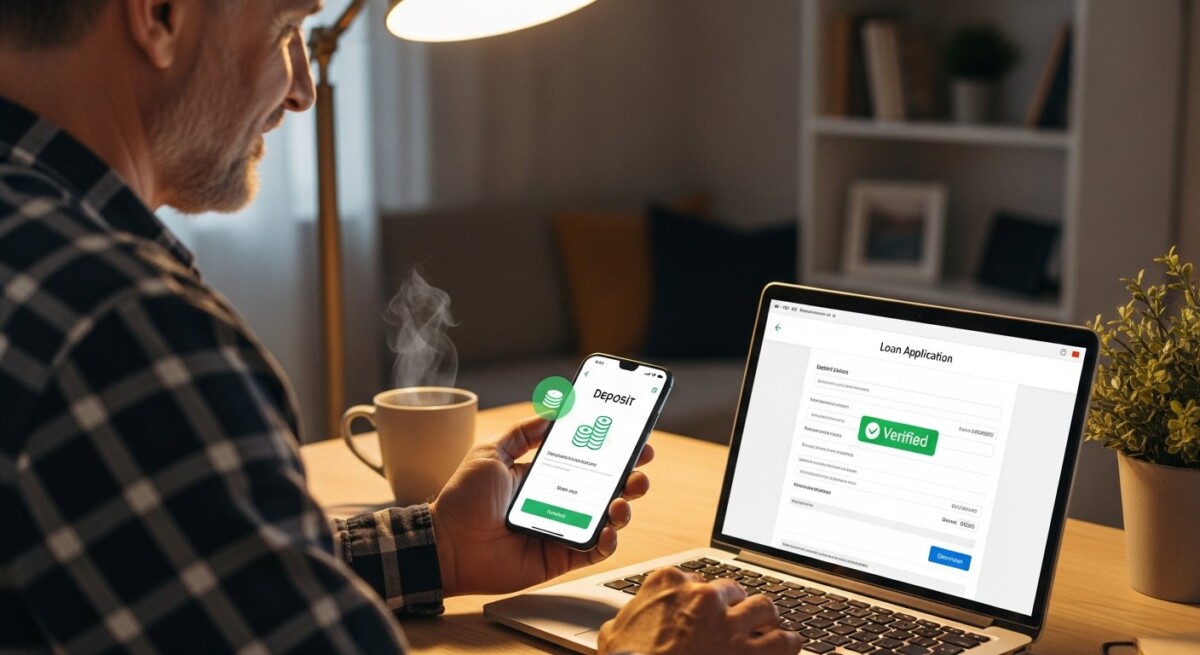

Imagine your car breaks down unexpectedly, or a medical bill arrives that you weren’t prepared for. In moments like these, finding fast funding becomes a priority. As you search for a short-term loan, you may wonder why lenders verify bank accounts before approving your application. This step is actually a standard part of the process designed to protect both you and the lender.
Understanding this verification can help you feel more confident when applying for financial help. Lenders need to confirm your income and ensure you have the ability to repay the loan on time. This article explains the reasons behind bank account checks and how they help you access the funding you need.
Understanding Why Lenders Verify Bank Accounts
When you apply for a short-term loan, the lender wants to know that you are a reliable borrower. One of the most effective ways to assess this is by reviewing your bank account. This step helps them confirm that you have a steady income and that your account is in good standing.
Bank account verification also protects you from taking on a loan you cannot afford. By checking your transaction history and average balance, lenders can determine whether the repayment amount fits your budget. This process is not about invading your privacy; it is about making sure the loan is a safe choice for your financial situation.
What Lenders Look for in Your Bank Statement
Lenders typically look for consistent deposits, such as your paycheck or other regular income. They also check for any negative balances or frequent overdrafts, which can indicate financial instability. The goal is to confirm that you have enough cash flow to cover the loan payment without causing hardship.
When People Consider Short-Term Loans
Short-term loans are designed for urgent, temporary financial gaps. Many people turn to these loans when an unexpected expense arises and they need cash quickly. Common situations include unexpected bills, urgent home repairs, or temporary cash shortages between paychecks.
These loans are not meant for long-term financial problems but can be a helpful bridge when you need fast access to funds. Here are some typical scenarios where borrowers consider short-term loans:
- Unexpected medical expenses or emergency room visits
- Urgent car repairs needed to get to work
- Home repairs like a broken water heater or roof leak
- Temporary cash shortages before your next payday
- Covering a large bill that cannot wait until your next paycheck
If you are exploring short-term loan options, comparing lenders can help you find the right solution. Request loan offers or call to review available options.
Common Types of Short-Term Loans
There are several types of short-term loans available, and each works a little differently. The most common options include payday loans, installment loans, personal cash advances, and online short-term loans. Each type has its own repayment structure and cost.
Understanding the differences can help you choose the option that best fits your needs. Here is a quick breakdown of the main types:
- Payday loans: Small-dollar loans typically due on your next payday. They are fast but often carry high fees.
- Installment loans: Loans repaid in fixed monthly payments over a set period, such as a few months.
- Personal cash advances: Short-term funds that can be used for any purpose, often repaid within weeks.
- Online short-term loans: Loans applied for and funded through digital platforms, offering convenience and speed.
How the Loan Application Process Works
The application process for a short-term loan is usually straightforward and can be completed online. You start by submitting a request with basic personal and financial information. The lender then reviews your details to decide if you qualify.
Once approved, you receive the loan offer with the terms and conditions. If you accept, funds are often deposited directly into your bank account. Here are the typical steps:
- Submit a loan request online with your personal and income information.
- Provide access to your bank account for verification purposes.
- The lender reviews your application and checks your eligibility.
- You receive loan offers with details on amounts, fees, and repayment terms.
- If you accept an offer, funds are deposited into your bank account, sometimes as soon as the next business day.
Comparing multiple lenders can help you find loan terms that match your situation. Compare loan offers or call to explore available funding options.
Factors Lenders May Consider
Lenders look at several key factors when deciding whether to approve your loan. These factors help them assess your ability to repay the loan on time. The most important factors include your income, employment status, and repayment history.
While credit history may play a role, many short-term lenders also consider other details. Here are the main factors lenders review:
- Income verification: Proof of steady income, such as a paycheck or benefits.
- Employment status: Being employed or having a reliable source of income.
- Credit history: Past borrowing behavior, though some lenders accept lower credit scores.
- Repayment ability: Whether your income can cover the loan payment plus your other expenses.
In our guide on how lenders verify funding information for quick loans, we explain the specific steps lenders take to confirm your financial details.
Understanding Loan Costs and Terms
Short-term loans can be more expensive than traditional loans because they are designed for quick access to cash. The cost is usually expressed as an annual percentage rate (APR), which includes both interest and fees. It is important to read the loan agreement carefully so you know exactly what you will owe.
Repayment periods for short-term loans are typically a few weeks to a few months. Some loans charge late fees if you miss a payment, while others may offer extensions. Always ask the lender about any additional fees before signing.
Loan terms can vary between lenders. Check available loan offers or call to review possible options.
Tips for Choosing the Right Loan Option
Finding the right loan starts with understanding your own needs and comparing what different lenders offer. Before you apply, take time to review the repayment terms and make sure the loan fits your budget. Borrowing only what you truly need can help you avoid unnecessary debt.
Comparing multiple lenders is one of the best ways to find a loan that works for you. Here are some practical tips to keep in mind:
- Review the repayment terms, including the due date and total cost.
- Compare offers from at least two or three different lenders.
- Borrow only the amount you need to cover your urgent expense.
- Plan how you will repay the loan before you accept the funds.
- Watch out for hidden fees or prepayment penalties.
Responsible Borrowing and Financial Planning
Borrowing money is a serious decision, and it is important to approach it with care. Short-term loans can be a helpful tool in an emergency, but they work best when you have a plan to repay them on time. Responsible borrowing means understanding the costs and only taking a loan when you are confident you can repay it.
Creating a simple budget can help you see where your money goes each month. Set aside a small amount for emergencies so you are less likely to need a loan in the future. If you do need to borrow, choose a loan that fits your repayment ability and avoid taking out multiple loans at once.
Remember, the goal of any loan is to help you through a tough spot, not to create long-term financial stress. By borrowing wisely and planning ahead, you can use short-term loans as a safe and effective solution.
Frequently Asked Questions
Why do lenders need to see my bank account?
Lenders verify your bank account to confirm your income and ensure you can repay the loan. This step also helps prevent fraud and protects both you and the lender from unsafe lending practices.
Is it safe to share my bank account information with a lender?
Reputable lenders use secure, encrypted systems to protect your financial data. Always check that the lender is licensed and uses a secure website before sharing any personal information.
Can I get a short-term loan without a bank account?
Most short-term lenders require a bank account because it is the easiest way to deposit funds and collect payments. Without a bank account, your options may be limited, but some lenders offer prepaid debit card solutions.
What happens if I don’t have enough money in my account when the payment is due?
If your account lacks sufficient funds, the lender may charge a late fee or the payment may be returned. This can also lead to additional bank fees, so it is important to plan your repayment carefully.
How long does the bank account verification take?
Verification is usually completed within a few minutes to a few hours, depending on the lender. Some lenders use automated systems that can confirm your information almost instantly.
Will checking my loan options hurt my credit score?
Many short-term lenders perform a soft credit check that does not affect your credit score. However, if you formally apply and they run a hard inquiry, it may have a small, temporary impact.
Can I repay my short-term loan early?
Some lenders allow early repayment without penalties, while others may charge a fee. Always check the terms of your loan agreement before making early payments.
What should I do if I can’t repay my loan on time?
If you are struggling to repay, contact your lender immediately. Many lenders offer extensions or repayment plans, but ignoring the problem can lead to additional fees and damage to your credit.
Taking time to compare lenders and review your options can make a big difference in finding a loan that works for you. Whether you need fast cash for an emergency or want to plan ahead, understanding why lenders verify bank accounts helps you feel more prepared. Explore your options today and choose a solution that supports your financial well-being.


About Asher Sanchez
Related Posts