Why Approved Loans Can Still Fail Funding , Clear Answers


You have just received an email saying your loan is approved. You feel relieved because that unexpected car repair or medical bill can finally be paid. But then the funds never arrive. You are left waiting, wondering what went wrong. This situation is more common than many people realize, and understanding why approved loans can still fail funding can help you avoid the same frustration next time.
Short-term loans are often the fastest way to cover urgent expenses. They are designed to bridge a temporary cash gap until your next paycheck. However, approval is not the same as receiving money in your bank account. Several factors can stop a loan from funding even after you have been told yes. Knowing these reasons will help you prepare and choose a lender who follows through.
Understanding why approved loans can still fail funding
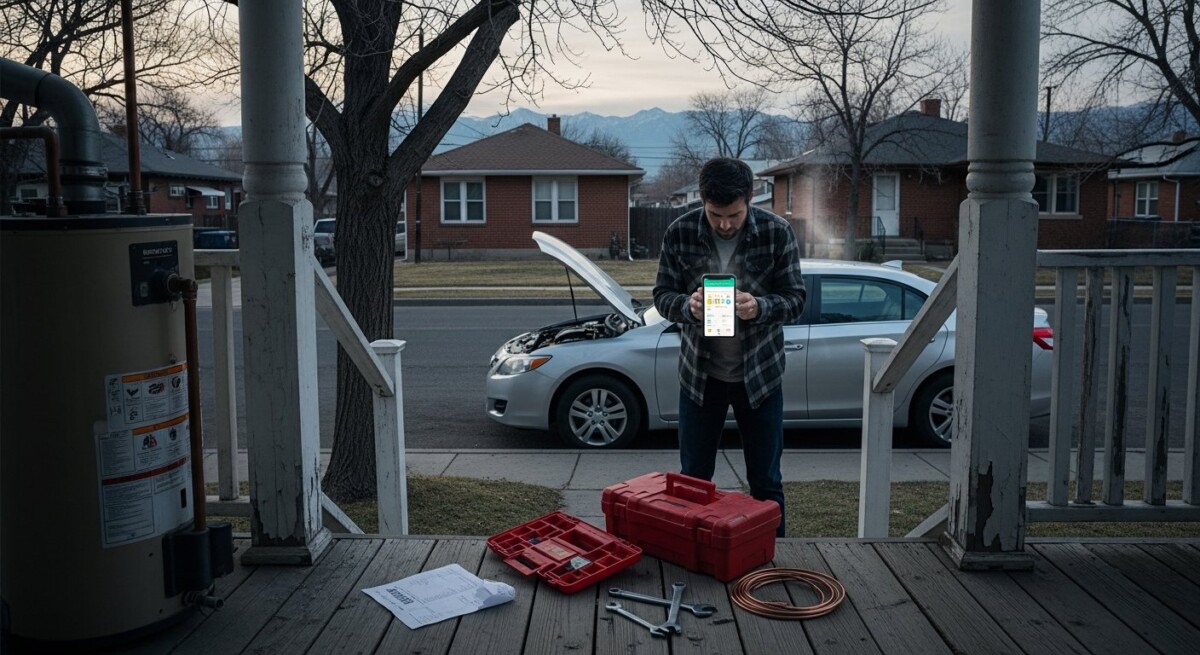
A short-term loan is a small, quick loan meant to be repaid within a few weeks or months. People turn to these loans when they face sudden expenses like a broken water heater, a medical copay, or an urgent trip. The application process is usually simple, and many lenders promise a decision within minutes.
When you apply, the lender checks basic information like your income, employment, and bank account details. If those checks pass, you receive an approval notice. But here is the key: approval is conditional. The lender still needs to verify your bank account, confirm your identity, and ensure the automated clearing house (ACH) transfer will work. If any of these final steps fail, the loan does not fund.
In our guide on the approved loan funding process, quick cash when you need it, we explain how these final verifications work. The most common reason funding fails is a mismatch between the information you provided and what the lender finds during verification. For example, if your bank account name does not exactly match your application, the transfer may be blocked.
What happens after approval
After you accept a loan offer, the lender initiates a micro-deposit or an ACH test. This confirms your bank account is active and belongs to you. If you enter the wrong account number or routing number, the test fails, and the lender cannot send the money. Some lenders also run a secondary credit check or verify your employment again. If anything changes between approval and funding, the loan may be canceled.
When People Consider Short-Term Loans
Short-term loans are not for everyday expenses. They are designed for moments when you need cash quickly and do not have savings to cover the cost. Many borrowers consider them during specific, urgent situations.
- Unexpected bills such as a high utility or phone bill
- Urgent home repairs like a broken furnace or leaking roof
- Temporary cash shortages between paychecks
- Medical expenses not covered by insurance
- Car repairs needed to get to work
These loans can provide relief when time is short. However, it is important to remember that they come with costs. Interest rates on short-term loans are higher than traditional bank loans because the lender takes on more risk. Borrowers should only take what they need and have a clear plan to repay.
If you are exploring short-term loan options, comparing lenders can help you find the right solution. Request loan offers or call to review available options.
Common Types of Short-Term Loans
Not all short-term loans are the same. Each type works a little differently, and understanding the differences helps you pick the right one for your situation.
- Payday loans: Small loans due on your next payday. They are easy to qualify for but have very high fees.
- Installment loans: You repay the loan in fixed monthly payments over several weeks or months. These often have lower payments than payday loans.
- Personal cash advances: A short-term loan from a credit card or online lender. Repayment is usually expected within a few weeks.
- Online short-term loans: Loans offered by digital lenders. The entire process happens online, and funds can arrive as soon as the next business day.
Each type has pros and cons. Payday loans are fast but expensive. Installment loans give you more time to repay but may have longer approval times. Comparing lenders and loan types is essential before committing.
How the Loan Application Process Works
The application process for a short-term loan is designed to be fast. Here is what you can typically expect.
- Submit a loan request: You fill out an online form with your personal, employment, and bank details.
- Provide income details: The lender needs to see proof that you earn enough to repay the loan.
- Lender review and approval: The lender checks your information and decides whether to approve you.
- Receive loan offers: If approved, you see the loan amount, interest rate, and repayment terms.
- Receive funds if approved: After you accept, the lender sends the money to your bank account, often by the next business day.
Even after step five, funding can fail. That is why it is smart to double-check your bank account information before submitting. A simple typo in your account number can stop the entire process.
Comparing multiple lenders can help you find loan terms that match your situation. Compare loan offers or call to explore available funding options.
Factors Lenders May Consider
Lenders do not approve everyone. They look at several factors to decide if you are a safe borrower. Knowing these factors can help you prepare a stronger application.
- Income verification: Lenders want to see that you have a steady income. Pay stubs, bank statements, or tax returns are common proofs.
- Employment status: Having a job shows you have a way to repay. Self-employed borrowers may need to provide extra documents.
- Credit history: Many short-term lenders accept borrowers with less-than-perfect credit, but they still check your report to gauge risk.
- Repayment ability: Lenders calculate your debt-to-income ratio to ensure you can handle the loan payment alongside your other bills.
If any of these factors change after approval, the lender may decide not to fund the loan. For example, if you lose your job between approval and funding, the lender can cancel the loan.
Understanding Loan Costs and Terms
Short-term loans are convenient, but they are not cheap. Understanding the costs helps you avoid surprises.
Interest rates on short-term loans are usually expressed as an annual percentage rate (APR). For a payday loan, the APR can be 300% or more. That means borrowing $500 could cost you $75 or more in fees for a two-week loan. Installment loans have lower APRs but longer repayment periods, which means you pay more interest over time.
Repayment periods vary. Payday loans are due in full on your next payday. Installment loans give you several months. Some lenders charge prepayment penalties if you pay off the loan early. Always read the fine print before signing.
Loan terms can vary between lenders. Check available loan offers or call to review possible options.
Tips for Choosing the Right Loan Option
Choosing the right loan is about more than just getting approved. You want a loan that fits your budget and helps you solve your problem without creating new ones.
- Review repayment terms: Make sure you can afford the payment on your next payday or over the loan term.
- Compare multiple lenders: Different lenders offer different rates and fees. Shopping around can save you money.
- Borrow only what is needed: Borrowing more than you need increases your cost and risk.
- Plan repayment carefully: Set aside money from your next paycheck to cover the loan payment.
Taking these steps reduces the chance that funding will fail and helps you manage the loan responsibly.
Responsible Borrowing and Financial Planning
Short-term loans are tools, not solutions. They work best when used for true emergencies and repaid quickly. Responsible borrowing means understanding the loan terms and having a plan.
Before you apply, check your budget. Can you cut back on non-essential spending to free up money for repayment? If not, consider whether a loan is the right choice. Borrowing without a repayment plan can lead to a cycle of debt.
Building an emergency fund, even a small one, can reduce your need for short-term loans in the future. Start by saving $20 per week. Over time, that small habit can protect you from unexpected costs.
Frequently Asked Questions
Why did my approved loan not get funded?
Funding can fail due to incorrect bank account details, failed identity verification, or changes in your financial situation after approval. The lender may also discover that your bank does not allow ACH transfers from certain lenders. Contact the lender to find out the specific reason.
Can a loan be approved but not funded the same day?
Yes. Approval and funding are two separate steps. Some lenders fund loans the same day if you apply early, but many take one business day. If funding fails, you will not receive the money that day.
What does funding failure mean for my credit score?
A funding failure itself does not directly hurt your credit score. However, if the lender ran a hard credit inquiry during the application, that inquiry may appear on your report. Multiple inquiries in a short time can lower your score slightly.
How can I avoid loan funding failure?
Double-check your bank account and routing numbers before submitting your application. Use the same name on your application that appears on your bank account. Respond quickly to any verification requests from the lender.
Do all lenders check bank accounts before funding?
Most short-term lenders verify your bank account through a micro-deposit or an ACH test. This confirms the account is active and belongs to you. If the test fails, the loan will not fund.
Can I reapply if my loan funding fails?
Yes, you can reapply. First, correct any mistakes you made in your previous application. You may also consider a different lender with different verification requirements. Be careful not to apply to too many lenders at once, as multiple inquiries can affect your credit.
What if my bank blocks the deposit?
Some banks block deposits from payday lenders or certain types of short-term lenders. Contact your bank to ask about their policy. You may need to choose a lender your bank allows.
Is a pre-approved loan offer guaranteed to fund?
No. Pre-approval means the lender is interested in working with you, but it is not a guarantee. Final funding depends on successful verification and your continued eligibility. Always read the terms carefully.
Short-term loans can be a helpful resource when you face an urgent expense. However, approval does not always mean funding will follow. By understanding why approved loans can still fail funding, you can take steps to improve your chances of receiving the money you need. Compare lenders, review terms carefully, and always plan your repayment before you borrow. When you are ready, explore your loan options or call to speak with a representative who can guide you through the process.


About Lucas Ramirez
Related Posts