
Quick $150 Cash Advance for Minor Car Repairs: Fast Help
A quick 150 dollar cash advance for minor car repairs can get you back on the road fast. See the real fee math, smart alternatives, and how to repay on payday.

By Isaac Cooper
A grinding brake pad, a cracked radiator hose, or a dead battery can turn a normal morning into a financial emergency. When the repair bill is small but your bank account is smaller, a quick 150 dollar cash advance for minor car repairs can bridge the gap without derailing your entire budget. The key is understanding exactly what you are getting into, how much it truly costs, and how to repay it without falling into a debt cycle. This guide breaks down the realistic options, the math behind the fees, and the smart alternatives that can save you money.
When a Small Cash Advance Makes Sense for Car Repairs
A quick 150 dollar cash advance for minor car repairs is not a long-term financial strategy. It is a short-term tool designed for a specific scenario: you have a small, unexpected expense, you have a confirmed payday coming soon, and you can repay the advance in full on that date. If those three conditions are true, a small advance can be a reasonable way to get back on the road quickly.
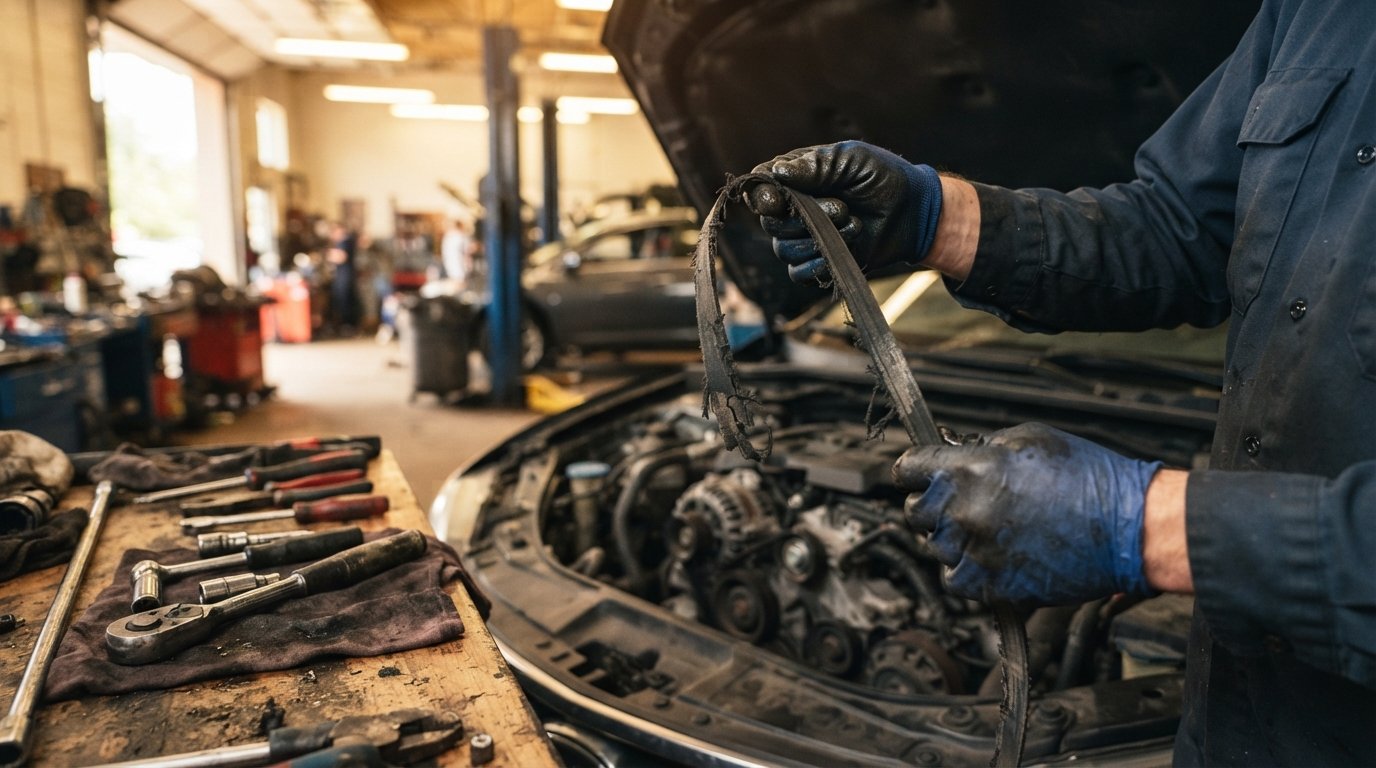
Consider a driver whose alternator belt snaps on a Tuesday. The mechanic quotes $140 for the part and labor. The driver gets paid on Friday. A $150 cash advance covers the repair today, and the full repayment happens three days later. The fee, while high on an annual percentage rate basis, is a fixed cost that the driver can plan for. This is the classic use case: a small, urgent need with a clear and near-term repayment source.
However, a quick 150 dollar cash advance for minor car repairs becomes a problem when the repair is actually a symptom of a larger issue. If the mechanic discovers that the $150 repair is just the first step in a $1,200 transmission job, a small advance will not solve the underlying problem. In that case, you need a different plan, such as a payment plan with the shop or a larger installment loan. Knowing the difference between a minor repair and a major one is the first step in choosing the right funding option.
The Real Cost: Fee and APR Math on a $150 Advance
The most important thing to understand about a quick 150 dollar cash advance for minor car repairs is that the fee is not the same as an interest rate. Payday and cash advance lenders typically charge a flat fee per $100 borrowed. A common range is $15 to $20 per $100, though this varies by state and lender. On a $150 advance, that translates to a fee of roughly $22.50 to $30.
At first glance, a $30 fee on a $150 loan might not seem catastrophic. But the annual percentage rate (APR) tells a different story. If you repay the advance in 14 days, a $30 fee on $150 equates to an APR of over 500 percent. If you repay in 30 days, the APR is still well above 200 percent. This is why short-term advances are considered high-cost financial products. They are not designed for long-term borrowing, and they should never be used to cover recurring expenses.
Here is a simple framework to calculate the true cost of a quick 150 dollar cash advance for minor car repairs. First, identify the fee per $100 from the lender. Second, multiply that fee by 1.5 (since you are borrowing $150). Third, confirm the repayment date. Fourth, divide the total fee by the number of days until repayment to see the daily cost. For example, a $30 fee over 14 days costs about $2.14 per day. If the repair saves you $200 in missed work or towing fees, the math may work in your favor. If not, consider alternatives.
It is also critical to understand that rolling over a quick 150 dollar cash advance for minor car repairs is a trap. A rollover occurs when you pay only the fee and extend the loan to the next payday. This resets the clock but does not reduce the principal. Each rollover adds another fee, and the total cost can quickly exceed the original repair bill. Responsible borrowing means repaying the full amount on time, not extending the loan repeatedly.
Alternatives to a Cash Advance for Small Repairs
Before committing to a quick 150 dollar cash advance for minor car repairs, explore the alternatives. In many cases, a different option can save you money or reduce risk. The best choice depends on your credit profile, your relationship with the repair shop, and your timeline.
One option is a payment plan with the mechanic. Many independent shops and even some chain repair centers offer short-term payment arrangements for small jobs. If you have a good relationship with your mechanic, ask if you can pay half now and half on your next payday. This costs nothing extra and keeps you out of the high-APR lending cycle. Another option is a credit card. If you have a card with available credit, a $150 charge is manageable, and you have a grace period before interest accrues. Even a card with a 25 percent APR is far cheaper than a payday advance if you repay the balance within a month.
If you do not have a credit card or a willing mechanic, a small personal loan from a bank or credit union may be an option, though approval can take longer than a same-day cash advance. For drivers with less-than-perfect credit, a digital loan connection service can be a practical starting point. Platforms like LendersCashLoan connect borrowers with a network of third-party lenders that may offer short-term personal loans, including small amounts for urgent expenses. Because these services do not lend directly, they let you compare offers from multiple lenders in one place. You can also read our guide on a 250 dollar cash advance for unexpected utility bills to see how a slightly larger advance works for a different type of emergency.
Here is a quick comparison of the most common options for a $150 car repair:
- Mechanic payment plan: No fee, but requires a willing shop and a deposit.
- Credit card: Interest applies after the grace period; APR varies but is usually far below payday rates.
- Payday or cash advance: Fast funding, but high fees and short repayment window.
- Small personal loan: Lower APR than payday, but approval may take longer.
- Borrow from savings or family: No fee, but not always available.
Each option has trade-offs. A quick 150 dollar cash advance for minor car repairs is the fastest path to cash, but it is also the most expensive. Use it only when the speed is worth the cost and when you have a confirmed repayment plan.
How to Repay on Your Next Payday Without Rolling Over
The single most important rule for using a quick 150 dollar cash advance for minor car repairs is to repay the full balance on your next payday. Rolling over the advance is how small debts become large ones. To avoid that trap, set up a repayment plan before you accept the funds.
Start by confirming your payday and the exact amount you will receive. Then subtract your essential expenses (rent, utilities, food, transportation) from that paycheck. The remaining amount must be at least $150 plus the fee. If it is not, a cash advance is not the right choice. You need a different solution, such as a payment plan or a small personal loan with a longer term. Never assume you will "figure it out" later. That is how borrowers end up rolling over the loan and paying multiple fees.
When you accept the advance, set a reminder on your phone for two days before the due date. Confirm with the lender how the repayment will be collected, whether automatically from your bank account or through a manual payment. If you use a digital loan connection service, read the lender's terms carefully. Some lenders offer automatic debits, while others require you to initiate the payment. Missing a payment can result in late fees and additional charges.
If an emergency prevents you from repaying on time, contact the lender immediately. Many lenders offer a one-time extension or a revised payment plan, but you must ask before the due date. Ignoring the problem leads to late fees, collection activity, and potential credit damage. A quick 150 dollar cash advance for minor car repairs should be a one-time bridge, not a recurring habit. If you find yourself needing advances every month, it is time to reassess your budget and look for a more sustainable solution.
Choosing a Lender and Avoiding Predatory Traps
Not all lenders are created equal, and the difference matters when you are searching for a quick 150 dollar cash advance for minor car repairs. A reputable lender will disclose all fees and APR clearly before you sign. A predatory lender will bury the costs in fine print or pressure you into a rollover. Your job is to read the terms and walk away if anything feels unclear.
Look for lenders that are licensed in your state and that provide a written agreement with the fee, APR, repayment date, and collection practices spelled out. Avoid lenders that ask for a post-dated check or direct access to your bank account without a clear repayment schedule. Also, be wary of anyone who guarantees approval before reviewing your information. Legitimate lenders assess income and identity, even for small advances. For a deeper look at how small advances work for other urgent bills, our article on a 250 dollar cash advance for unexpected utility bills provides additional context on matching the loan amount to the expense.
If you have bad credit, you can still qualify for a quick 150 dollar cash advance for minor car repairs, but you may pay a higher fee or face fewer options. That is why comparing offers is essential. A digital loan connection service can help you see multiple offers in one place, but you should still review each lender's terms independently. The goal is to find the lowest total cost for the fastest funding, not just the first offer you receive.
Building a Small Emergency Fund for Future Repairs
The best way to avoid needing a quick 150 dollar cash advance for minor car repairs is to build a small emergency fund. Even $200 to $500 set aside for car maintenance can eliminate the need for high-cost borrowing. Start by saving a small amount from each paycheck, even if it is just $10 or $20. Over a few months, that adds up to a cushion that covers minor repairs without stress.
Also, plan for routine maintenance. A $50 oil change and a $20 brake inspection can prevent a $150 repair from becoming a $1,500 repair. Preventive maintenance is the cheapest form of car insurance. If you know a repair is coming, such as worn tires or a timing belt, start saving for it in advance. A quick 150 dollar cash advance for minor car repairs is a useful tool for true emergencies, but it should not be your primary plan for predictable expenses.
Finally, review your budget regularly. If you find that you are consistently short on cash before payday, the problem is not the repair; it is the budget. A small cash advance can solve a one-time gap, but it cannot fix a structural shortfall. Use the advance sparingly, repay it on time, and focus on building a financial buffer so that the next minor repair does not become a major financial event.