Understanding Payday Loans in South Carolina: Rules and Risks
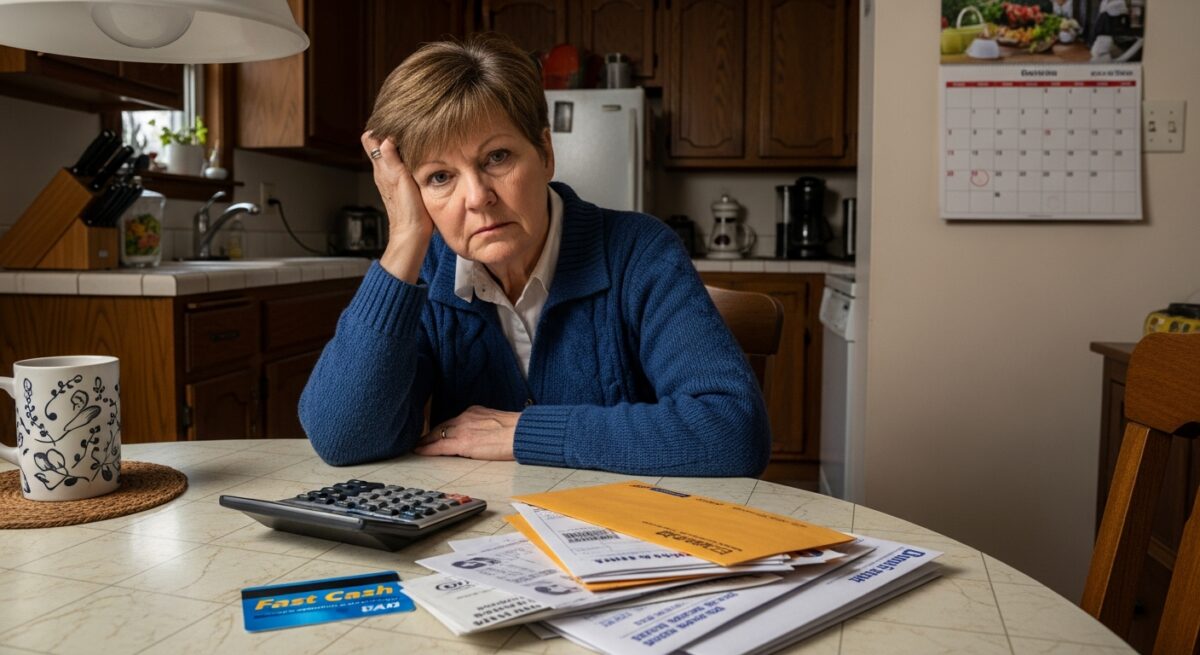

Facing a sudden expense before your next paycheck arrives can leave you scrambling for a solution. In South Carolina, one of the most common options for immediate cash is a payday loan. These short-term, high-cost loans are widely available but come with a complex set of state regulations and significant financial risks. Before you consider this path, it’s crucial to understand exactly how payday loans in South Carolina work, what the law allows, and what alternatives might exist for your financial situation. This knowledge isn’t just about getting funds quickly, it’s about making an informed decision that won’t trap you in a cycle of debt.
The Legal Landscape of South Carolina Payday Loans
South Carolina has specific statutes governing the payday lending industry, which set the parameters for what lenders can and cannot do. Unlike some states that have banned or severely restricted payday lending, South Carolina permits it under Chapter 39 of the South Carolina Consumer Protection Code. This legal framework establishes maximum loan amounts, fees, and repayment terms. For a borrower, understanding these rules is the first line of defense against predatory practices. The state aims to provide some consumer protection while allowing access to these controversial credit products. However, critics argue that the existing regulations still permit extremely high annual percentage rates (APRs) that can burden borrowers.
The core regulations are straightforward but critical. In South Carolina, the maximum amount you can borrow through a payday loan is $550. The loan term cannot exceed 31 days. Lenders are permitted to charge a fee of up to $15 per $100 borrowed. On a typical two-week $500 loan, that’s a $75 fee. While this may seem manageable, it’s essential to annualize this cost to understand the true expense. A $75 fee on a $500 two-week loan translates to an APR of approximately 391%. This exorbitant cost is why financial experts consistently warn that payday loans should only be used for genuine, one-time emergencies when all other options are exhausted. Furthermore, South Carolina law prohibits lenders from rolling over a loan into a new one, a practice that often deepens debt in other states. However, borrowers can still take out a new loan immediately after repaying an old one, which can lead to a similar cycle.
How the Payday Loan Process Works in South Carolina
Obtaining a payday loan in South Carolina typically involves a few standard steps, whether you apply online or at a physical storefront. The process is designed for speed, often promising funding within 24 hours. You start by filling out an application, which requires proof of income (like pay stubs), a valid ID, an active checking account, and proof of residency. Lenders use this information to verify your ability to repay the loan with your next paycheck. It’s important to note that many lenders, including those in the network served by platforms like CashLoanFunded, do not perform a traditional hard credit check with the major bureaus. Instead, they may check alternative credit data or perform a soft pull, making these loans accessible to individuals with bad credit or no credit history.
Once approved, you will sign a loan agreement. This is the most critical document. It will spell out the exact finance charge, the total amount due, and the due date. In South Carolina, you will typically provide the lender with a post-dated check for the full amount (principal plus fee) or authorize an electronic debit from your bank account on the due date. On the maturity date, the lender will deposit the check or initiate the ACH withdrawal. If you cannot repay, the law does not allow an extension or “rollover,” but the lender may offer a repayment plan. However, failing to repay can lead to the check bouncing, resulting in bank fees, collections activity, and potential legal judgment. For those considering an online application, it’s vital to use a reputable service. Our guide on how to avoid scams with online payday loans in South Carolina details the red flags to watch for and how to verify a lender’s legitimacy.
The Real Costs and Dangers of Payday Loans
The advertised fee of $15 per $100 can obscure the severe long-term financial impact of a payday loan. The primary danger is the debt trap. Because the loans are due in full on your next payday, a significant portion of your income is immediately committed to repayment. This often leaves you short on funds for ongoing living expenses, forcing you to take out another loan to cover the gap. This creates a cycle where you are continually paying high fees without ever reducing the principal. A borrower taking out a new $500 loan every two weeks and paying a $75 fee would spend over $1,950 in fees over a year without ever touching the original $500 debt.
Beyond the cycle of debt, other risks include aggressive collection practices if you default. While South Carolina law regulates collections, falling behind can lead to harassing calls, damage to your credit score if the debt is sold to a collection agency, and lawsuits. Additionally, the electronic access to your bank account can lead to repeated insufficient funds fees if the withdrawal is attempted when funds are low. Before resorting to a payday loan, seriously evaluate the necessity. Is this for a true emergency, like a medical bill or car repair to get to work, or is it for a discretionary purchase? Exploring every other alternative first is not just advice, it’s a financial imperative.
Common Alternatives to Consider
Before committing to a high-cost payday loan, South Carolina residents should exhaust several alternative sources of funds. Each option has its own pros and cons, but most are far less costly than a traditional payday loan.
- Payment Plans: Contact the entity you need to pay (doctor, utility company, landlord) and ask for a payment plan. Many are willing to work with you without any interest.
- Credit Union Small-Dollar Loans: Many federal credit unions offer Payday Alternative Loans (PALs) with maximum APRs of 28% and more flexible repayment terms.
- Advance from Your Employer: Some employers are willing to provide an advance on earned wages, often for a small or no fee.
- Local Charities and Assistance Programs: Organizations like United Way, Catholic Charities, or local community action agencies may offer help with rent, utilities, or food, freeing up your cash for other bills.
- Pawn Shop Loan: While still expensive, a pawn loan is non-recourse. If you don’t repay, you simply lose the item you pawned, and your credit is not affected.
If you have determined that a short-term loan is unavoidable, consider whether a smaller amount could suffice. For instance, a $500 payday loan online same day instant approval might cover your need, but perhaps a $300 loan would present a more manageable repayment burden. Always borrow the absolute minimum you need to resolve your emergency.
Using a Loan Connection Service Like CashLoanFunded
For borrowers who decide to pursue a payday loan, using a reputable connection service can streamline the process and provide access to a network of lenders. CashLoanFunded operates as a digital platform that connects applicants with potential lenders. The service is not a direct lender, meaning it does not fund loans or set the terms. Instead, it provides a single online application that can be forwarded to multiple lenders within its network, increasing the chances of finding a willing lender. This can save time compared to applying individually at several storefronts or lender websites.
The application process on such a platform is typically straightforward. You fill out one form with your personal, employment, and banking details. The platform’s software then matches your profile with lenders whose criteria you meet. If a lender is interested, you will be redirected to their website to review the final loan agreement, which will detail the exact APR, fees, and repayment schedule. It is at this stage that you must read every line carefully. Remember, the connection service facilitates the introduction, but the legal contract is solely between you and the lender. Using a service like this does not guarantee approval, nor does it ensure you will receive the best possible terms. It is still your responsibility to compare the offer against the state’s legal limits and your own ability to repay.
Building a Financial Safety Net for the Future
The best strategy for dealing with financial emergencies is to prepare for them before they happen. Escaping the need for payday loans in South Carolina involves building resilience. Start by creating a bare-bones budget to track income and essential expenses. Look for areas to cut back, even temporarily, to free up small amounts of cash. The goal is to build an emergency savings fund, however modest. Aim for an initial target of $500, which could cover many common small emergencies. Automate a transfer of even $20 per paycheck into a separate savings account. This fund acts as a buffer, so a flat tire or a copay doesn’t force you into a high-cost loan.
Concurrently, work on improving your credit score. A higher credit score opens doors to vastly cheaper forms of credit, like personal loans or credit cards with promotional 0% APR periods. You can begin by getting a copy of your credit report, disputing any errors, and ensuring all bills are paid on time. Consider a secured credit card, which requires a cash deposit but reports to the credit bureaus, to build positive payment history. Financial stability is a marathon, not a sprint. Each small step away from reliance on payday loans and cash advances puts you on firmer ground. The state of South Carolina provides certain legal guardrails for payday lending, but the ultimate responsibility for prudent borrowing lies with the individual. By understanding the rules, acknowledging the severe risks, and proactively seeking alternatives and longer-term solutions, you can navigate a financial crunch without falling into a debt trap that takes years to escape.
Payday loans in South Carolina are a legal, expensive, and fast financial tool. They serve a specific niche for borrowers with immediate cash needs and limited options, but they are fraught with peril. The state’s regulations provide some structure, but the high APRs can still lead to debilitating cycles of debt. If you must use one, borrow the minimum, understand the contract fully, and have a concrete plan for repayment that doesn’t involve taking another loan. Prioritize building your emergency fund and credit health to ensure that, in the future, a temporary setback remains just that, temporary, without requiring a costly loan to resolve.

About Owen Mitchell
Related Posts