
How to Prioritize Bills When You Cannot Pay Everything
Rank bills by consequence, not amount, to protect your housing and credit. A clear priority order and early creditor calls prevent the worst outcomes.

By Ethan Harper
Your rent is due in three days, the electric company sent a shutoff notice, and your credit card payment is already late. The checking account balance will not cover all three. This is the moment when panic sets in and every bill feels equally urgent. But not all bills carry the same consequences, and not all creditors respond the same way to a late payment. Knowing how to prioritize bills when you cannot pay everything is a skill that can protect your housing, your health, and your credit score from unnecessary damage. The goal is not to find a magical way to pay everything at once. The goal is to make deliberate choices that shield you from the worst outcomes while you stabilize your finances.
This guide walks through a practical ranking system for bills, explains the difference between secured and unsecured debt, shows how to negotiate with creditors before the due date, and clarifies when a short term loan makes sense as a last resort rather than a permanent fix. The steps are straightforward, and you can apply them today even if your account is nearly empty.
Start With a Complete Bill Inventory and a Bare-Bones Budget
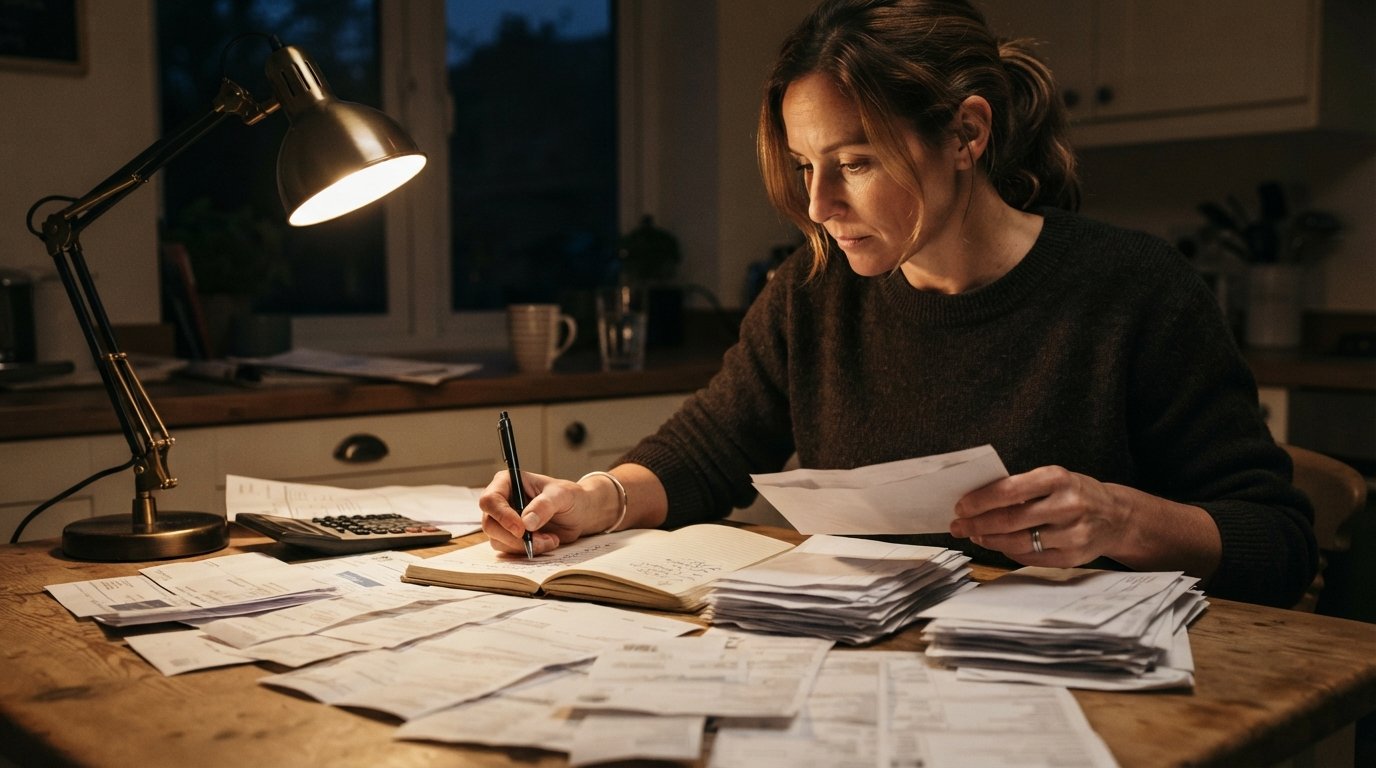
Before you can rank anything, you need to see the full picture. Gather every bill, statement, and notice you have received in the past 30 days. Include rent or mortgage, utilities, phone, internet, insurance premiums, car payments, credit cards, medical bills, student loans, and any child support or court-ordered obligations. Write down the amount due, the due date, the minimum payment, and the consequence of missing it. This inventory turns a vague sense of dread into a concrete list you can actually work with.
Next, calculate the money you have available right now plus any income you expect before the end of the month. Then subtract only the absolute essentials: food, basic transportation to work, necessary medication, and minimum housing costs. What remains is your pool for bill payments. If that number is zero or negative, you already know that negotiation and assistance programs will be part of the solution. A bare-bones budget is not about deprivation. It is about clarity, so you can direct every dollar toward the bill with the highest stakes.
One useful habit is to separate bills into two columns: those that keep a roof over your head or keep the lights on, and everything else. That simple split is the foundation of the ranking system below.
Rank Your Bills by Consequence, Not by Amount
The most common mistake people make in a cash crunch is paying the smallest bill first because it feels satisfying to clear something off the list. A $25 streaming subscription is easy to pay, but paying it while rent goes unpaid is a losing trade. Rank bills by the severity of the consequence if they go unpaid, not by how much they cost or how loudly the creditor calls.
Housing sits at the top for a simple reason: eviction or foreclosure is expensive, disruptive, and difficult to reverse. Once an eviction filing appears on your record, finding another place to live becomes much harder. Utilities come next because losing power or water creates health and safety risks, and reconnection fees add to the original debt. Food and necessary transportation follow, since you cannot earn income if you cannot get to work or stay healthy. Insurance premiums matter more than they appear, because a lapsed auto policy can lead to a license suspension, and a lapsed health policy can expose you to catastrophic medical costs.
Here is a practical priority order you can adapt to your situation:
- Housing: rent or mortgage, plus any required escrow or homeowners association payments.
- Utilities and essential services: electricity, water, gas, and heating, especially if you have received a shutoff notice.
- Food and medical needs: groceries, prescriptions, and necessary medical care.
- Transportation and insurance: car payment, auto insurance, and fuel needed for work.
- Secured debts and court-ordered obligations: car loans, child support, and tax payments.
- Unsecured debts: credit cards, medical bills, and personal loans without collateral.
Within each tier, pay the bill with the nearest due date or the most severe penalty first. If two bills are equally urgent, call both creditors and ask for more time. Most companies would rather receive a partial payment late than send an account to collections.
Understand Secured Versus Unsecured Debt Consequences
The distinction between secured and unsecured debt explains why some bills demand priority even when the dollar amounts are similar. A secured debt is tied to an asset the lender can take back. Your car loan is secured by the car. A mortgage is secured by the home. If you stop paying a secured debt, the lender can repossess or foreclose, and you lose the asset entirely. That is why secured debts generally outrank unsecured ones in any prioritization plan.
Unsecured debts, such as credit cards and most medical bills, are not tied to a specific asset. Missing a payment triggers late fees, penalty interest rates, and negative marks on your credit report, and the account may eventually be sold to a collection agency. Those consequences are serious, but they rarely take away your home or your ability to get to work. When money is tight, it is almost always better to be late on a credit card than on rent.
There is an exception worth noting. If you are already behind on an unsecured debt and a creditor has obtained a court judgment, wage garnishment may follow. Court-ordered obligations like child support and taxes also carry enforcement powers that unsecured consumer debts do not. Review your inventory for any legal notices and treat those items as high priority.
Call Creditors Before the Due Date, Not After
Most people wait until a bill is already late to contact the creditor. That is a mistake. Calling before the due date gives you far more options, because the account is still in good standing. Creditors have hardship programs, deferred payment plans, and modified due dates that they rarely advertise. Your job is to ask for them calmly and specifically.
Before you call, write down three things: the bill amount, the date you can realistically pay, and a brief explanation of your situation. Then use a simple script. Explain that you are experiencing a temporary hardship, that you want to keep the account current, and that you are requesting a payment extension or a modified plan. Ask for the name of the representative and note the date and time of the call. If the first person you speak with cannot help, ask politely to speak with someone in the hardship or loss mitigation department.
Utility companies are often the most flexible, especially if you mention a shutoff notice and ask about budget billing or a payment arrangement. Landlords may accept a partial payment with a written plan for the remainder. Credit card issuers may lower your minimum payment or temporarily reduce your interest rate. The key is to make contact early and to document every agreement in writing, either by email or through the company portal.
If you are exploring loan options to bridge a gap, it helps to understand the full picture of what you are signing. Before committing to any funding, review resources like whether you can cancel a funded loan so you know your rights after the money hits your account.
Use Payment Assistance Programs and Public Resources
Many households overlook assistance programs that exist precisely for moments like this. The Low Income Home Energy Assistance Program, known as LIHEAP, helps eligible households pay heating and cooling bills. Local community action agencies administer emergency rent assistance. Food banks and SNAP benefits can free up cash that would otherwise go to groceries. Dialing 211 connects you to a local referral service that catalogs these programs by zip code.
These resources are not charity in the sense of a handout that marks you as a failure. They are public infrastructure funded by taxpayers, and using them when you qualify is no different from using a public library. Applying for assistance can reduce your essential expenses enough to make room for a debt payment or prevent a shutoff entirely. The application process takes time, so start it the same week you realize you cannot cover everything.
When a Short Term Loan Is a Last Resort, Not a Fix
Sometimes, after ranking bills, negotiating, and applying for assistance, a genuine gap remains. A car repair, a medical bill, or a rent shortfall may not wait for your next paycheck. In that narrow situation, a short term loan can function as a bridge. It is important to be honest about what such a loan is and is not. It is not a solution to a structural budget problem. If your income does not cover your essential expenses month after month, adding a loan payment makes the math worse, not better.
Short term loans, including payday loans and cash advances, often carry very high annual percentage rates and fees, and they are designed for temporary financial gaps. If you are considering this route, compare offers carefully and borrow only the amount you need. Services like AdvanceCash connect borrowers with third-party lenders who may present offers for short term funding, and reviewing multiple options before accepting terms is always wise. Read the repayment schedule before you sign, confirm that the payment fits your budget, and have a plan to repay the loan without borrowing again.
A useful rule of thumb: if repaying the loan on time would force you to skip rent or utilities next month, the loan is too large or the timing is wrong. In that case, returning to negotiation and assistance programs is the safer path.
Protect Your Credit While You Recover
Prioritizing bills does not mean ignoring credit entirely. Once your essentials are covered, take steps to limit the damage to your credit report. Contact any creditor you cannot pay and ask about hardship programs before the account is reported delinquent. Keep records of every arrangement. Check your credit reports for errors, since inaccurate collection accounts are more common than most people realize and can be disputed for free.
As your situation stabilizes, rebuild gradually. Bring the smallest unsecured debts current first, then work upward. Set up automatic payments for the bills you can afford so a late payment never happens by accident. A single on-time payment does not repair a damaged score overnight, but a consistent record over several months does move the number in the right direction.
The core lesson is that prioritization is an active process, not a passive one. You are not merely choosing which bills to ignore. You are choosing which consequences you can survive and which ones you must prevent. Housing, utilities, food, and transportation come first because they protect your safety and your ability to earn. Secured debts outrank unsecured ones because the lender can take the asset. Creditors respond better to early calls than late ones. Assistance programs exist to close gaps. And a short term loan belongs at the very end of the list, used only as a bridge with a clear repayment plan.
If you take one action today, make it the bill inventory. Seeing every obligation in one place turns fear into a workable list, and a workable list is the first step toward getting through the month with your home, your health, and your options intact.