
Emergency Loans for Homeowners: Property Tax and Utility Help
Facing property tax or utility bills you cannot pay? Emergency loans for homeowners can cover these costs fast, protecting your home and credit.
By Scott Thompson
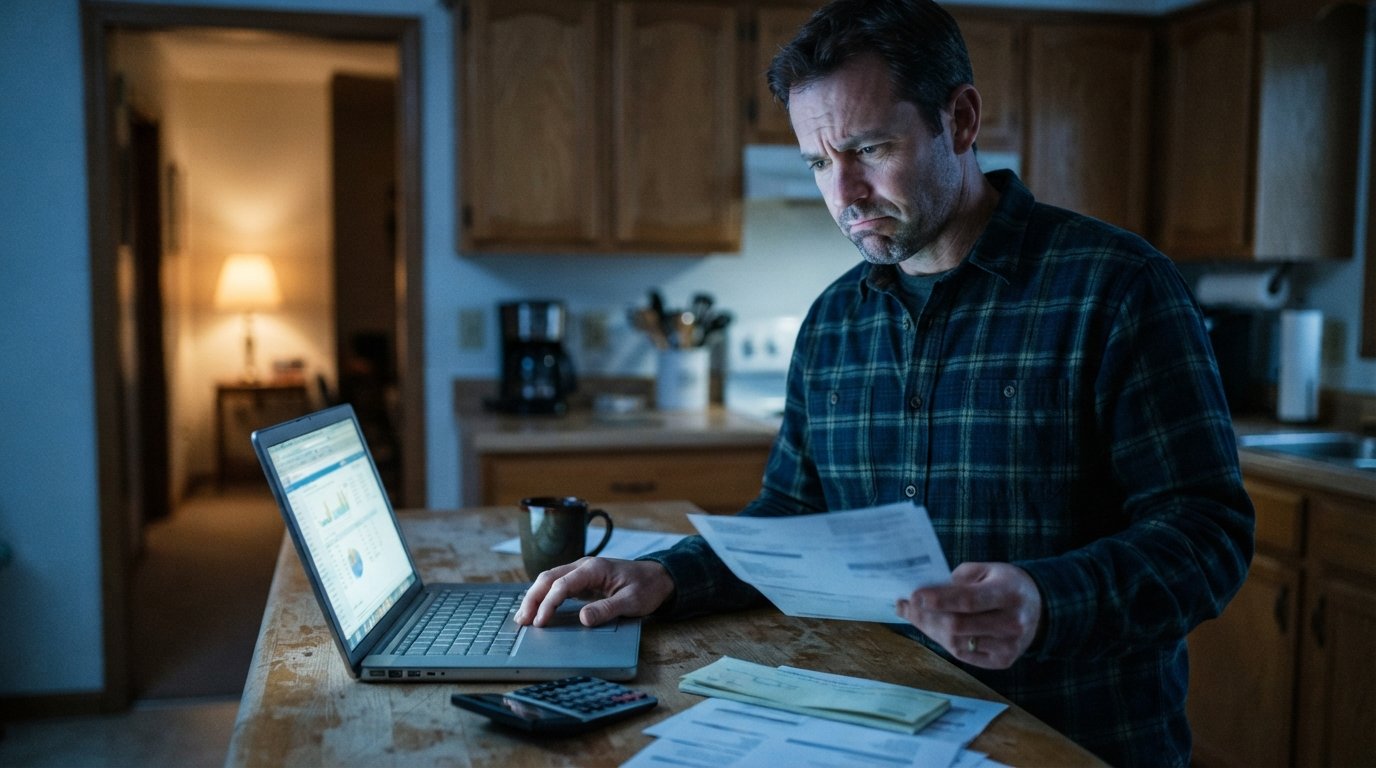
When the property tax bill lands in your mailbox and the utility shut-off notice is tucked under the door, the weight of homeownership can feel crushing. You are not alone. Many American households face the same squeeze between steady income and sudden, unavoidable expenses. The good news is that targeted financial tools, such as emergency loans for homeowners property tax and utilities, exist to bridge that gap. These loans are designed for moments when your checking account is thin but your obligations are thick. In this guide, you will learn exactly how these loans work, where to find them, and how to use them without worsening your financial position.
Understanding Emergency Loans for Homeowners Property Tax and Utilities
Emergency loans for homeowners property tax and utilities are short-term borrowing options that help you cover essential housing costs when your cash reserves fall short. Unlike a standard personal loan that you might use for a vacation or new furniture, these loans are purpose-driven. Lenders understand that property taxes and utility bills are not optional. If you fail to pay property tax, the local government can place a lien on your home, and in extreme cases, initiate foreclosure. If you ignore utility bills, you risk losing water, heat, or electricity, which can make your home uninhabitable.
These loans typically come in two forms: secured and unsecured. A secured loan uses your home's equity as collateral, which often results in lower interest rates but puts your property at risk. An unsecured personal loan does not require collateral, but interest rates may be higher, especially if your credit score is less than perfect. The right choice depends on the amount you need, your repayment timeline, and your comfort level with risk.
For many homeowners, the appeal of these loans lies in their speed. Traditional bank loans can take weeks to process, but online lenders often provide decisions within minutes and deposit funds as soon as the next business day. That speed is critical when a utility disconnection date is looming or a tax deadline is non-negotiable.
What Can These Loans Cover?
While the name suggests a narrow scope, these loans are fairly flexible. You can use the funds for any of the following housing-related expenses:
- Delinquent property tax payments, including interest and penalties
- Upcoming property tax installments if your municipality allows installment plans
- Overdue electricity, gas, water, or sewer bills
- Heating oil or propane deliveries during extreme weather
- Homeowners association (HOA) fees that threaten a lien
You should always confirm with your lender that the loan proceeds can be used for these purposes, but most personal loans do not restrict how you spend the money. That flexibility is a double-edged sword. It means you can address the most pressing bill first, but it also requires discipline to avoid using the funds for unrelated expenses.
Why Homeowners Face This Crisis
The stereotype of the struggling renter is familiar, but homeowners are equally vulnerable to cash flow interruptions. Property taxes are notorious for increasing year after year, often without warning. A reassessment can raise your tax bill by hundreds or even thousands of dollars annually. If you have not set aside money in an escrow account, that sudden increase can derail your budget.
Utility costs are also volatile. Extreme weather, whether a bitter winter or a scorching summer, drives up energy consumption. Rates fluctuate based on fuel prices and infrastructure investments. When a job loss, medical emergency, or major home repair coincides with these elevated bills, you may find yourself choosing between paying the electric bill and buying groceries.
Another common trigger is the timing mismatch between income and expenses. Property taxes are often due in large lump sums twice a year, while your paycheck arrives every two weeks. Without a sinking fund, that lump sum can be impossible to cover from regular income alone. Emergency loans bridge that timing gap, giving you the cash today and allowing you to repay over several months.
Qualifying for Emergency Loans with Bad Credit
If your credit score has seen better days, you might assume that no lender will work with you. That is not the case. Many online lenders and loan matching services specialize in connecting borrowers with bad credit to third-party lenders who consider more than just your FICO score. They look at your income stability, employment history, and debt-to-income ratio. If you have a steady paycheck, even a bankruptcy or repossession on your record does not automatically disqualify you.
That said, expect higher interest rates and less favorable terms compared to borrowers with excellent credit. This is the lender's way of compensating for the increased risk. Your job is to compare offers carefully. Look at the annual percentage rate (APR), which includes both interest and fees, rather than just the monthly payment. A loan that seems affordable on paper can become a trap if the APR exceeds 36%, which is the upper bound set by many consumer protection advocates.
You will also need to provide basic documentation. Most lenders require proof of identity, such as a driver's license, proof of income like recent pay stubs or tax returns, and proof of residency. Since you are a homeowner, you may also need to provide a recent mortgage statement or property tax bill to verify your ownership status.
Steps to Secure a Loan for Property Taxes and Utilities
The process of obtaining emergency funding is streamlined, but it still requires preparation. Follow these steps to improve your chances of approval and get the best possible terms:
- Assess your total need. Add up the exact amount you owe for property taxes and utilities, including any penalties or late fees. Do not borrow more than you need, as that only increases your repayment burden.
- Check your credit report. You can access a free copy from each of the three major bureaus annually. Dispute any errors that could lower your score before you apply.
- Shop around with multiple lenders. Do not settle for the first offer. Use a loan matching service to receive offers from several lenders at once, which saves time and allows for easy comparison.
- Review the terms carefully. Pay special attention to the APR, origination fees, prepayment penalties, and the repayment schedule. Ask the lender to clarify anything you do not understand.
- Submit your application. Complete the online form with accurate information. Double-check your bank account and routing numbers to avoid delays in funding.
Once you receive the funds, prioritize paying the most urgent bill first. If a utility shut-off is imminent, call the company and ask if they will accept payment directly from the loan disbursement. Some companies offer a grace period if you can prove that a loan is in process, which can give you breathing room.
Alternatives and Additional Resources
Emergency loans are not your only option, and they should not be your first choice if you have other avenues. Local and state governments often run property tax deferral programs for seniors, disabled veterans, or low-income homeowners. These programs allow you to postpone payment without interest or penalties. Utility companies also offer payment plans that spread overdue balances over several months, and many states have energy assistance programs funded by the federal Low Income Home Energy Assistance Program (LIHEAP).
Nonprofit credit counseling agencies can negotiate with your creditors on your behalf, sometimes reducing your total debt or arranging a more manageable payment schedule. These services are typically free or low-cost. Before you take on new debt, explore whether any of these alternatives can resolve your immediate crisis without the cost of a loan.
If you do decide to borrow, consider a home equity line of credit (HELOC) if you have substantial equity and a good credit score. HELOCs usually offer lower rates than unsecured personal loans, but they require your home as collateral. That means defaulting on the loan could result in foreclosure. For smaller amounts, a credit card cash advance might be cheaper than a payday loan, but it still carries high interest. Weigh all options with a clear head, and do not let urgency push you into a predatory agreement.
Choosing the Right Lender and Avoiding Scams
The lending landscape is crowded, and not every offer is legitimate. Predatory lenders target homeowners in distress, promising instant approval and no credit check, then burying you in fees. To protect yourself, work only with reputable lenders and loan matching services. A trusted service, like emergency loan options in Miami, can connect you with lenders who follow state regulations and transparent practices.
Legitimate lenders will always disclose the APR and total repayment amount before you sign. They will never ask for an upfront fee to "guarantee" a loan. They will also verify your ability to repay, rather than rubber-stamping every application. If a lender pressures you to act immediately or refuses to provide written terms, walk away. There is always another option.
When you find a trustworthy lender, read the fine print. Understand what happens if you miss a payment. Late fees can add up quickly, and some lenders will accelerate the loan, meaning the entire balance becomes due immediately. Ask about hardship policies. Many lenders will work with you if you communicate early about financial difficulties, but only if you ask.
Long-Term Strategies to Avoid Future Crises
Taking out an emergency loan solves the immediate problem, but it does not address the underlying issue of cash flow volatility. To reduce the likelihood of needing another loan next year, build a buffer. Start a separate savings account specifically for property taxes and utility spikes. Even if you can only contribute $50 per month, that adds up to $600 by the time the next tax bill arrives.
Review your property tax assessment annually. If you believe your home is overvalued, file an appeal. This can lower your tax bill and save you money for years. For utilities, consider a budget billing plan, which averages your annual energy costs into equal monthly payments. This eliminates the shock of a $400 bill in January after several mild months.
Finally, improve your credit score over time. Pay all bills on time, reduce credit card balances, and avoid opening new accounts unnecessarily. A higher score will qualify you for lower interest rates when you do need to borrow. You can also set up automatic transfers to a savings account on payday, making saving a habit rather than an afterthought.
Final Thoughts on Borrowing for Housing Costs
Emergency loans for homeowners property tax and utilities are a lifeline, but they are not a cure-all. They work best when used sparingly and repaid promptly. Before you sign any agreement, confirm that the lender is licensed in your state and that the terms align with your budget. If your situation feels overwhelming, remember that you have options beyond borrowing. Government programs, nonprofit counseling, and payment plans can all provide relief without adding to your debt load.
For those who decide that a loan is the right path, speed and convenience matter. Online platforms like AdvanceCash can connect you with lenders who understand your urgency. They offer a streamlined application process that takes minutes, not days, and many borrowers receive funds as soon as the next business day. That speed can mean the difference between keeping the lights on and sitting in the dark. Use these tools wisely, and you can protect both your home and your peace of mind.
In the end, your home is more than an asset. It is where your family gathers, where memories are made, and where you find shelter from the storms of life. Do not let a temporary cash shortfall threaten that stability. With the right information and a careful approach, you can navigate this challenge and come out stronger on the other side.