
Emergency Loan for Pet Surgery: Fast Vet Bill Funding
Compare emergency loan for pet surgery vet bills fast funding options, size the loan to the actual bill, and time next-business-day disbursement without creating a new shortfall.

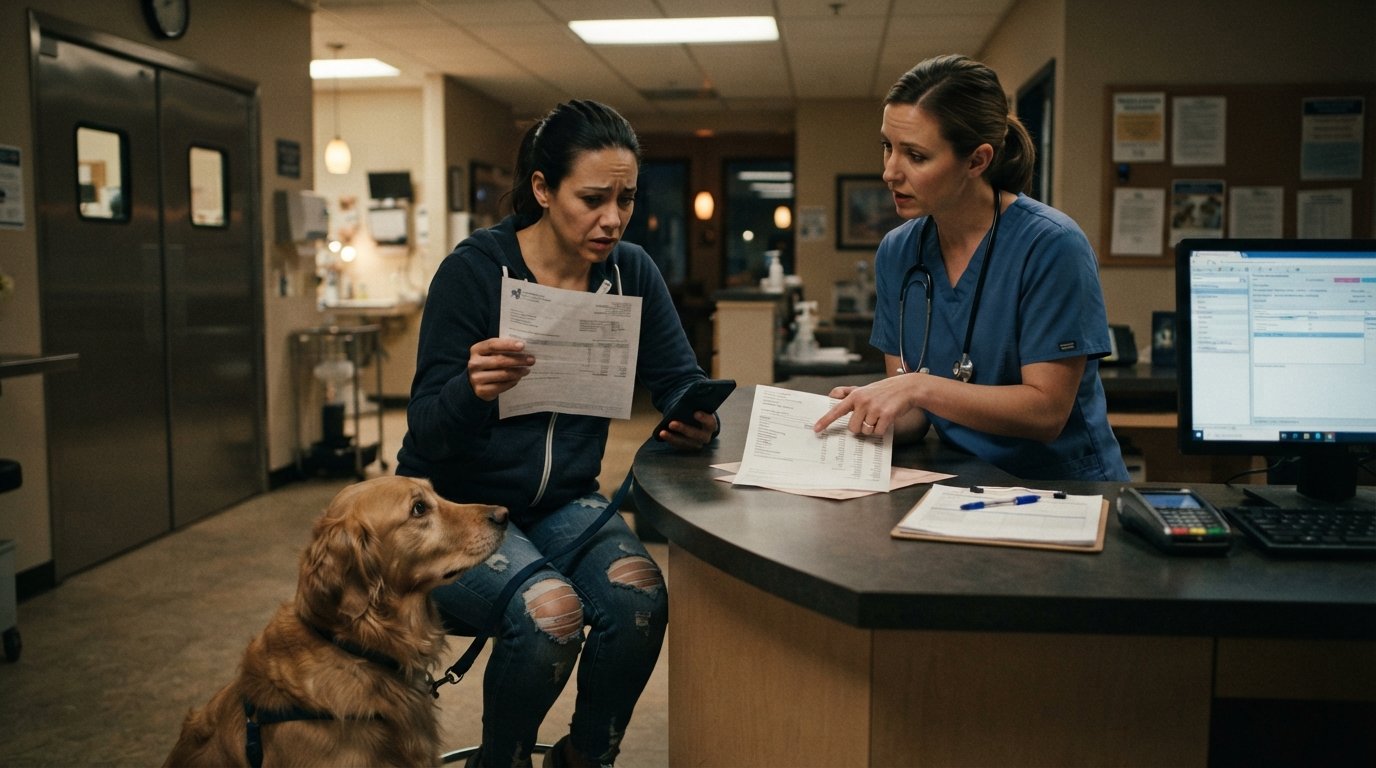
Your dog swallows a toy and needs emergency surgery. The vet quotes $3,200 before midnight. Your credit card is nearly maxed, and payday is six days away. In that moment, you need a clear, fast path to funding, not a lecture on budgeting. This guide walks you through the realistic options for an emergency loan for pet surgery vet bills fast funding, including how to size the loan correctly, what to expect for timing, and how to repay without digging a deeper hole.
First, Exhaust Lower-Cost Options Before You Borrow
Before you apply for any loan, take 20 minutes to check for speedier or cheaper alternatives. Veterinary practices increasingly offer in-house payment plans, and many accept third-party medical credit cards with promotional periods. Ask the front desk directly: "Do you offer a payment plan, and what is the minimum down payment?" Some clinics partner with financing companies that approve applicants in minutes, though those plans often carry deferred interest that retroactively applies if you miss the payoff deadline.
Here is a practical checklist to run through before you commit to a loan:
- Ask for a written estimate and a payment plan: Many vets will accept 50 percent down and the rest over three to six months with no interest, especially for established clients.
- Check pet insurance reimbursement: If you have a policy, you still pay upfront, but you can file a claim immediately and receive reimbursement in days to weeks. Ask the vet for an itemized invoice and medical records to speed the claim.
- Use a 0 percent purchase APR credit card: If you can qualify and the bill fits your available credit, a new card with an introductory 0 percent period buys you time, but only if you can repay before the promo ends.
- Ask about nonprofit assistance: Groups like RedRover and The Pet Fund provide grants for urgent veterinary care, though approval is not instant and funds are limited.
If none of these options cover the bill in time, a short-term loan may be the pragmatic bridge. Just go in with clear eyes about cost and repayment. For related strategies on handling other urgent household bills, our guide on an emergency loan for a utility shutoff notice covers similar timing and sizing principles.
How an Emergency Loan for Pet Surgery Vet Bills Fast Funding Actually Works
CashLoanFunded is a free loan connection service, not a direct lender. You submit one online request, and the platform routes it to a network of third-party lenders who may make you an offer. The form takes under five minutes and asks for basic details: name, address, date of birth, phone, banking information, and Social Security number. You are never obligated to accept any offer, and the service does not charge you a fee for matching.
Because CashLoanFunded works with lenders who consider various credit backgrounds, applicants with bad credit, prior bankruptcy, or even a repossession history can still be considered if they meet income and banking criteria. You generally need to be at least 18 years old, have valid identification, a steady source of income, and a bank account without a recent negative transaction history. The platform uses 256-bit SSL encryption to protect your data.
Loan types available through the network include payday loans (typically under $1,000, repaid in about 30 days), installment loans (often under $5,000, repaid in scheduled payments), and personal loans (commonly $1,000 to $15,000, with the request form accommodating up to $50,000). For a pet surgery bill in the low thousands, an installment loan or a personal loan is usually the better structural fit than a single-pay payday loan, because you can spread repayment across several months instead of facing one lump sum due on your next payday.
If you want to see how the request process works end to end, you can compare short-term loan offers through LendersCashLoan, a similar connection service that lets you submit one request and review potential offers from multiple lenders. The key is to compare the APR, the total repayment amount, and the due dates side by side before you e-sign anything.
Size the Loan to the Bill, Not to the Maximum Offer
One of the most common mistakes borrowers make is accepting the largest offer they receive. Lenders may approve you for more than the vet bill, and it is tempting to take the extra as a cushion. Resist that impulse. Every dollar you borrow costs interest and fees, and short-term loans often carry very high APRs. Borrow only what the itemized estimate requires, plus a small buffer (perhaps 10 percent) for follow-up visits, medications, or lab work that the initial quote did not include.
Here is a simple framework to determine your loan amount:
- Get the itemized estimate in writing. Ask the vet to separate surgery, anesthesia, hospitalization, medications, and follow-up care.
- Subtract what you can pay in cash today. This includes your available credit card balance, savings, or a contribution from a family member.
- Add a 10 percent buffer for post-op care. Cone, pain meds, and a recheck exam can add a few hundred dollars.
- Borrow only the remaining gap. If the gap is $1,800, do not accept a $5,000 offer just because you qualify.
For example, if the surgery estimate is $2,400, you have $600 available on a credit card, and you expect $200 in follow-up costs, your target loan amount is roughly $2,000, not the $5,000 a lender might offer. Smaller principal means smaller payments and less total interest. It also reduces the risk that repayment crowds out your regular bills in the following months.
Timing Expectations: When Will the Money Arrive?
Speed is the entire reason you are considering this type of funding, so set realistic expectations. CashLoanFunded states that funds may be available as soon as the next business day after a lender approves your request and you e-sign the terms. That timeline depends on several factors: how quickly you complete the request, whether the lender needs additional verification (such as proof of income or a bank statement), and the cut-off time for same-day processing at your bank.
In practice, here is what the timeline usually looks like:
- Request submission: Under five minutes if you have your banking details and ID ready.
- Offer review: Often minutes to a few hours, depending on lender volume and verification needs.
- E-signature and final approval: Minutes after you accept an offer.
- Disbursement: Next business day in many cases, though some lenders may take longer depending on your bank's ACH processing schedule.
If the surgery is scheduled for tomorrow morning, tell the vet's office that you are arranging funding and ask whether they can proceed with a deposit while you finalize the loan. Many clinics will begin treatment once a down payment is made and the balance is guaranteed within a day or two. Communication with the clinic is just as important as speed with the lender.
Repaying Without Creating a New Shortfall
The biggest risk with any emergency loan is that repayment creates a second crisis a month later. Short-term loans are designed for temporary gaps, not long-term finance, and late payments can trigger late fees, inflated interest rates, and negative credit reporting. Before you accept an offer, map out the repayment schedule against your known income and fixed expenses.
Ask yourself three questions: Does the monthly payment fit comfortably within my budget after rent, utilities, food, and transportation? Do I have at least one backup plan if my hours are cut or an unexpected expense appears? And what is the total cost of credit (the sum of all payments minus the principal)? If the total cost feels painful but manageable, and the payment does not force you to skip other obligations, the loan is likely sized correctly. If the payment would consume more than 10 to 15 percent of your take-home pay, consider a smaller loan, a longer repayment term, or a payment plan with the vet instead.
Set up automatic payments or calendar reminders for each due date, and keep the lender's contact information handy in case you need to request a due date change. Most lenders would rather work with you than see a payment fail. Finally, treat this as a one-time bridge: once the pet is recovered, rebuild a small emergency fund so the next surprise does not require borrowing. For more context on fast funding for urgent bills, the utility shutoff guide linked above follows the same sizing and timing logic.
An emergency loan for pet surgery vet bills fast funding can be a responsible tool when you use it deliberately: exhaust cheaper options first, borrow only the gap, confirm the disbursement timeline with both the lender and the clinic, and build a repayment plan that leaves room to breathe. Your pet gets the care it needs, and your finances stay on stable ground.