
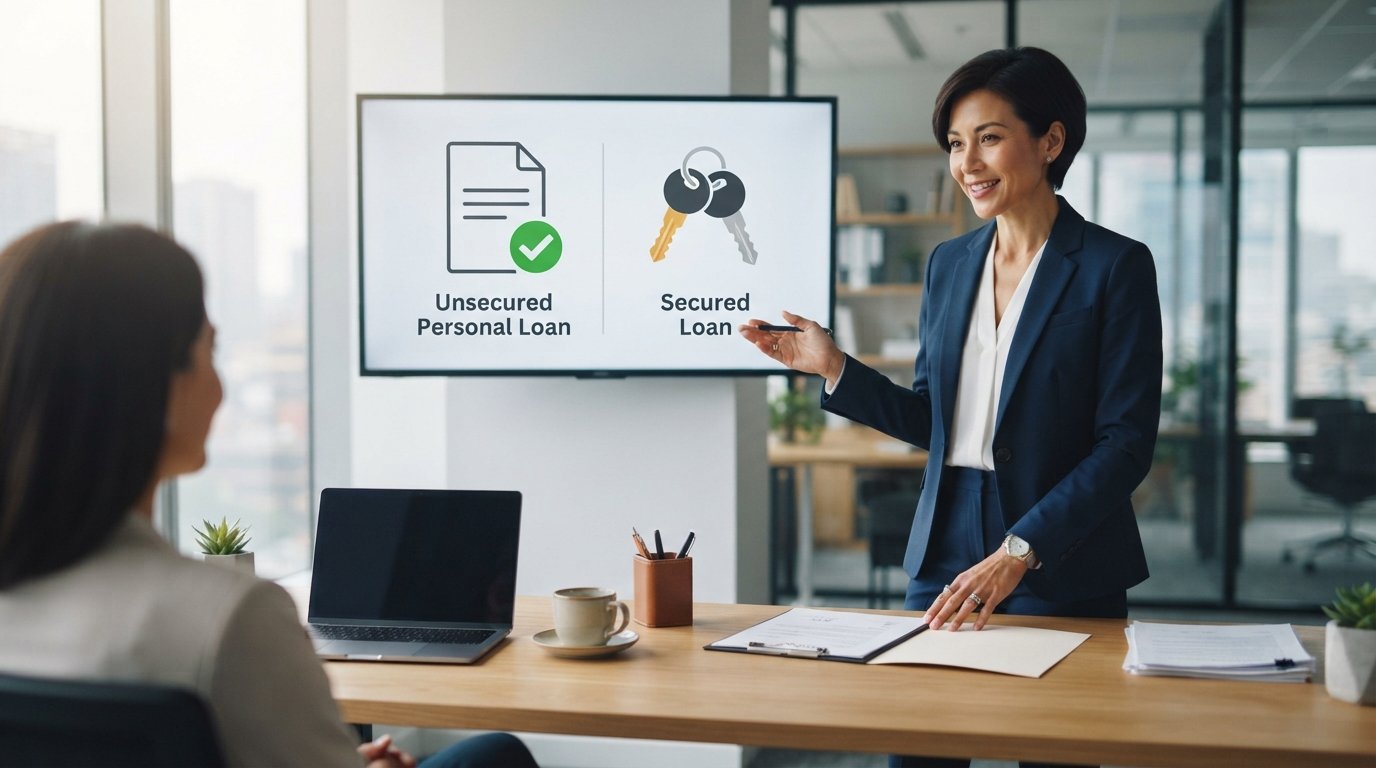
Do Personal Loans Require Collateral? Key Facts
Wondering if personal loans require collateral? Most unsecured options do not, but secured loans do. Learn the key differences and choose wisely.

By Owen Mitchell
When unexpected expenses arise, many borrowers wonder, "do personal loans require collateral?" The short answer is no, not always. Most personal loans are unsecured, meaning you do not need to pledge an asset like your home or car to get approved. However, there are secured personal loan options that do require collateral. Understanding the difference is essential for making a smart borrowing decision, especially when you need funds quickly.
At CashLoanFunded, we connect consumers with third-party lenders who offer a range of loan products, including personal loans, installment loans, and payday loans. Our goal is to help you understand your options so you can choose the right path for your financial situation. In this guide, we break down how collateral works, what to expect from unsecured loans, and how to decide which type fits your needs.
What Does Collateral Mean for a Personal Loan?
Collateral is an asset you offer to a lender as security for a loan. If you fail to repay the loan, the lender has the legal right to take that asset to recover their losses. Common examples include your home, car, savings account, or other valuable property. Loans backed by collateral are called secured loans.
In contrast, unsecured personal loans do not require any asset as security. The lender approves you based on your creditworthiness, income, and other financial factors. Because there is no collateral to seize, the lender takes on more risk. To compensate, they often charge higher interest rates compared to secured loans, and they may require a stronger credit profile.
So, do personal loans require collateral? The answer depends on the lender and the specific loan product. Many traditional personal loans are unsecured, but some lenders offer secured options that can be easier to qualify for or come with lower rates.
Unsecured Personal Loans: The No-Collateral Option
Most personal loans available through online lenders and banks are unsecured. This means you do not need to put your car, home, or savings at risk. The lender evaluates your application based on your credit score, income, employment history, and existing debts. If approved, you receive a lump sum and repay it in fixed monthly installments over a set term, typically two to five years.
Unsecured loans are attractive because they offer peace of mind. Your property is not on the line if you face a financial setback. However, because the lender carries more risk, you may face:
- Higher interest rates compared to secured loans
- Stricter credit requirements
- Lower borrowing limits
- Origination fees or prepayment penalties
For borrowers with good or excellent credit, unsecured personal loans can offer competitive rates and fast funding. For those with less-than-perfect credit, approval may be harder, and the rates may be higher. Still, many online lending networks, including those we partner with, consider applicants with various credit backgrounds, provided they have a stable income.
If you are exploring unsecured options, you might also consider a personal loan for debt consolidation. In our guide on personal loans for debt consolidation, we explain how an unsecured loan can simplify your payments and potentially lower your interest costs.
Secured Personal Loans: When Collateral Is Required
Some lenders offer secured personal loans, which require you to pledge an asset as collateral. This could be your car, a certificate of deposit, or your home equity. Because the lender has a safety net, they may offer lower interest rates and more flexible approval criteria. Secured loans can be a good option if you have poor credit or need to borrow a larger amount.
However, the risk is significant. If you default on the loan, the lender can repossess your car or foreclose on your home. This can have long-lasting consequences for your finances and credit score. Before choosing a secured loan, carefully weigh the potential loss of your asset against the benefit of a lower rate.
Here is a quick comparison to help you understand the trade-offs:
- Unsecured loan: No collateral, higher rates, approval based on credit and income
- Secured loan: Collateral required, lower rates, approval may be easier with weaker credit
When you apply through CashLoanFunded, you will see offers from third-party lenders. Some may be unsecured, while others might be secured. It is crucial to read the terms carefully and understand what, if anything, is being used as collateral.
Do Personal Loans Require Collateral for Bad Credit?
Borrowers with bad credit often assume they must provide collateral to get approved. While it is true that some lenders may require collateral to offset the risk of lending to someone with a low credit score, many online lenders and loan matching services work with subprime borrowers without requiring collateral. Instead, they rely on your income and employment stability to assess your ability to repay.
At CashLoanFunded, we connect applicants with lenders who may consider borrowers with bad credit, repossession, or even bankruptcy, as long as they meet income criteria. These loans are typically unsecured, but they may carry higher APRs and shorter terms. They are designed for short-term financial gaps, not long-term solutions.
If you have bad credit and need funds quickly, an unsecured installment loan or payday loan might be available. However, be aware of the costs. Short-term loans often have APRs exceeding 100%, so they should be used sparingly. Always compare offers and understand the total repayment amount before signing.
How to Decide: Secured vs. Unsecured
Choosing between secured and unsecured personal loans depends on your financial situation and comfort with risk. Ask yourself these questions:
- Do I own an asset I am willing to risk?
- How quickly do I need the funds?
- What interest rate can I afford?
- Can I qualify for an unsecured loan with my credit score?
If you have a strong credit score and a stable income, an unsecured loan is often the best choice. You avoid putting your property at risk, and the interest rates may be reasonable. If your credit is poor, a secured loan might be your only option or offer a lower rate. But only choose this route if you are confident in your ability to repay.
Remember, lenders view collateral as a way to reduce their risk. If you default, they can seize the asset. That is why secured loans are sometimes called "second chance" loans, but they come with real consequences.
How CashLoanFunded Can Help
CashLoanFunded is not a direct lender. We are a free loan matching service that connects you with third-party lenders who may offer personal loans, installment loans, or payday loans. Our online request form takes less than five minutes to complete, and you may receive offers as soon as the next business day.
We work with lenders who offer both secured and unsecured options, depending on your qualifications. The key is to compare the offers you receive and choose the one that best fits your needs. We do not charge any fees for our service, and you are never obligated to accept any offer.
For those facing urgent expenses, like a car repair or medical bill, a short-term loan can bridge the gap. If you are a homeowner or have steady income, you may qualify for larger personal loans. Our platform is designed to help you find a solution, even if you have less-than-perfect credit.
One important note: short-term loans often carry high APRs and are meant for temporary financial needs. They are not a long-term solution. Always borrow responsibly and consider all your options before committing.
Final Thoughts on Collateral and Personal Loans
So, do personal loans require collateral? The answer is no for most unsecured personal loans, but yes for secured ones. The right choice depends on your credit, income, and risk tolerance. Unsecured loans offer convenience and peace of mind, but they may cost more. Secured loans can be cheaper but put your assets on the line.
Before applying, take time to review your financial situation and understand the terms of any loan offer. Use reputable sources and compare multiple lenders. If you need quick access to funds, consider using a service like AdvanceCash to connect with lenders who may offer the flexibility you need.
Ultimately, responsible borrowing means knowing what you are signing up for. Whether you choose an unsecured or secured loan, make sure you can comfortably repay it on time. This protects your credit score and your assets. If you are ready to explore your options, start with a simple online request through CashLoanFunded and see what offers come your way.