Can You Cancel a Funded Loan? A Clear Guide to Your Options


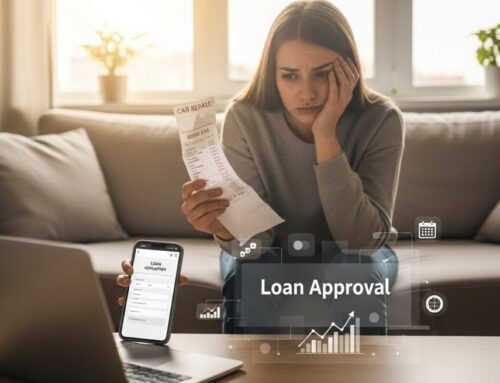
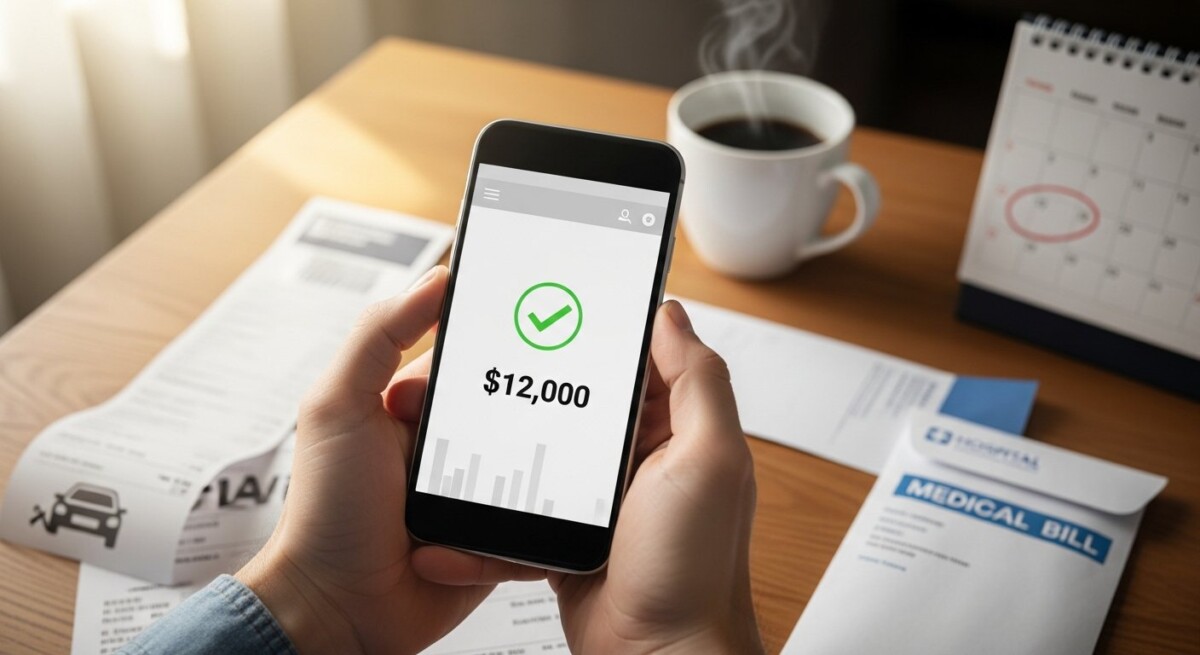
Imagine this: your car breaks down on the way to work, or a medical bill arrives that you did not plan for. In moments like these, you might start searching online for quick financial help, typing something like “can you cancel funded loan” into your search bar. You are not alone,many people turn to short-term loans when they face an urgent expense and need cash fast. But what happens after the loan is approved and the money hits your account? Can you change your mind? This guide will walk you through everything you need to know about canceling a funded loan, how short-term loans work, and how to choose the right option for your situation. We will keep the language simple and the advice practical, so you can make a confident decision.
Understanding can you cancel funded loan
When you ask “can you cancel funded loan,” you are really asking whether you have a legal right to back out after the lender has sent you the money. The answer depends on the type of loan you took and the laws in your state. For many short-term loans, such as payday loans or online installment loans, there is often a short “right of rescission” period,typically one to three business days,during which you can cancel without penalty. However, once that window closes, canceling becomes much harder, and you may be responsible for interest and fees.
Short-term loans are designed to bridge a temporary cash gap, not to create long-term debt. They are usually small amounts,$200 to $1,500,with repayment due on your next payday or over a few months. In our guide on can you cancel a loan after approval, we explain how the cancellation rules differ depending on whether you are dealing with a direct lender or a loan-matching service. The key is to act quickly if you have second thoughts.
What does “funded” mean in loan terms?
“Funded” simply means the lender has transferred the loan amount into your bank account. Once the money is there, you have access to it, and the loan agreement is considered active. At this point, your right to cancel is very limited unless you live in a state with specific consumer protections. Always read the fine print before you accept the funds,knowing your cancellation rights upfront can save you stress later.
When People Consider Short-Term Loans
People usually turn to short-term loans when life throws an unexpected expense their way. These loans are popular because they are fast and do not always require a perfect credit score. You can often apply online and receive a decision within minutes, with funds arriving as soon as the next business day. That speed is exactly what you need when a bill is due tomorrow or your refrigerator stops working.
Here are some common situations where a short-term loan might make sense:
- Unexpected bills like utility shut-off notices or past-due rent
- Urgent car repairs needed to get to work
- Temporary cash shortages between paychecks
- Medical expenses such as an emergency room visit or prescription costs
- Home repairs like a broken water heater or leaky roof
In each of these cases, a short-term loan can help you handle the emergency quickly. But remember: these loans are meant to be a bridge, not a permanent solution. Borrow only what you truly need and have a plan to repay it on time.
If you are exploring short-term loan options, comparing lenders can help you find the right solution. Request loan offers or call to review available options.
Common Types of Short-Term Loans
Not all short-term loans are the same. Understanding the differences can help you pick the one that fits your situation best. Here are the most common types you will come across:
- Payday loans: Small loans (usually under $500) due on your next payday. They are very fast but often come with high annual percentage rates (APRs).
- Installment loans: Larger amounts repaid in fixed monthly payments over several weeks or months. These can be more manageable because you spread out the cost.
- Personal cash advances: A short-term loan from a bank or online lender, often with a credit check. Repayment terms vary, but they can be a lower-cost alternative to payday loans.
- Online short-term loans: Digital loans that connect you with a network of lenders. The application is done entirely online, and funds are deposited directly into your account.
Each type has its own pros and cons. Payday loans are the easiest to qualify for but carry the highest costs. Installment loans offer more time to repay but may require a credit check. Personal cash advances from a bank might have lower rates but take longer to process. Online short-term loans provide convenience, but you should still compare offers carefully.
How the Loan Application Process Works
The loan application process is designed to be simple and fast, especially for short-term loans. Most lenders let you apply from your phone or computer, and you can often get a decision in minutes. Here is what a typical process looks like:
- Submit a loan request: Fill out a short online form with your personal details, income information, and how much you want to borrow.
- Provide income details: Lenders need to verify that you have a steady source of income, such as a job or benefits.
- Lender review and approval: The lender checks your information and decides whether to approve your request. Some lenders run a soft credit check, which does not hurt your credit score.
- Receive loan offers: If approved, you will see the loan terms, including the amount, fees, and repayment schedule. Compare offers before you accept.
- Receive funds if approved: Once you accept the offer, the money is sent to your bank account, often by the next business day.
This process is meant to be transparent, but you should never rush through it. Take time to read the terms, especially the APR and any late payment penalties. If something seems unclear, ask the lender before you sign.
Comparing multiple lenders can help you find loan terms that match your situation. Compare loan offers or call to explore available funding options.
Factors Lenders May Consider
Lenders want to know that you can repay the loan, so they look at a few key pieces of information. Even if your credit history is not perfect, you may still qualify for a short-term loan. Here are the main factors lenders review:
- Income verification: You need a steady source of income, such as a job, self-employment, or government benefits. Lenders may ask for pay stubs or bank statements.
- Employment status: Being employed or having a regular income stream shows stability. Retirees or people on disability can also qualify if they have consistent income.
- Credit history: Some lenders check your credit report, but many short-term lenders offer loans for bad credit. A low credit score does not automatically disqualify you.
- Repayment ability: Lenders calculate your debt-to-income ratio to see if you can afford the loan payments. They want to be sure you will not default.
Each lender weighs these factors differently. That is why it pays to shop around. One lender might focus on your income, while another looks at your credit score. By comparing multiple offers, you can find the lender that is the best fit for your financial profile.
Understanding Loan Costs and Terms
Loan costs can be confusing, but they boil down to a few simple numbers. The most important one is the Annual Percentage Rate (APR), which includes both the interest rate and any fees. For short-term loans, APRs can be high,sometimes 300% or more for payday loans. That is why these loans are meant for short-term use only.
Repayment periods also vary. Payday loans are usually due in two to four weeks, while installment loans can last several months. Late payment penalties can add up quickly, so always pay on time. Some lenders also charge origination fees or prepayment penalties, so read the fine print. If you can pay off the loan early, ask whether that reduces the total cost.
Loan terms can vary between lenders. Check available loan offers or call to review possible options.
Tips for Choosing the Right Loan Option
Choosing the right loan is about matching the product to your needs and your ability to repay. Here are some practical tips to help you make a smart choice:
- Review repayment terms carefully: Know exactly when payments are due and how much they will be. Set a reminder so you do not miss a payment.
- Compare multiple lenders: Do not settle for the first offer you see. Use a loan-matching service to compare rates, fees, and repayment schedules side by side.
- Borrow only what is needed: It is tempting to take the maximum amount, but borrowing more than necessary increases your debt and your risk.
- Plan repayment carefully: Look at your budget and make sure you can afford the payments without sacrificing essentials like rent, food, or utilities.
By following these tips, you can avoid common pitfalls and find a loan that works for you. Remember, the goal is to solve a temporary problem, not create a long-term burden.
Responsible Borrowing and Financial Planning
Borrowing money is a serious commitment, and it is important to approach it responsibly. Short-term loans can be a helpful tool during an emergency, but they are not a solution for ongoing money problems. Before you take out a loan, ask yourself: Can I repay this on time? Do I have a plan for the payment? If the answer is yes, a short-term loan might be right for you.
Creating a simple budget can help you avoid needing loans in the future. Track your income and expenses, set aside a small emergency fund, and look for ways to cut unnecessary spending. Even saving $20 a week can build a cushion over time. If you do need a loan, treat it as a temporary fix and prioritize repayment. Responsible borrowing means knowing your limits and never borrowing more than you can handle.
Frequently Asked Questions
Can I cancel a loan after the money has been deposited?
In most cases, once the loan is funded and the money is in your account, you cannot cancel unless you are within a state-mandated rescission period. This period is usually one to three business days. After that, you are bound by the loan agreement and must repay according to the terms.
What happens if I change my mind right after approval?
If you change your mind before the funds are deposited, you can usually cancel without penalty. Contact the lender immediately and tell them you do not want the loan. Do not spend any money that was sent. Some lenders may still charge a small fee, so ask about their cancellation policy upfront.
Do all short-term loans have a cancellation period?
No, not all loans have a cancellation period. Federal law gives a three-day right of rescission for some types of home loans, but short-term personal loans are not always covered. State laws vary, so check your local regulations. Loan-matching services like CashLoanFunded do not control lender policies, so always read the specific lender’s terms.
Will canceling a loan hurt my credit score?
Canceling a loan within the allowed period generally does not affect your credit score. However, if you default on the loan or fail to repay, that can damage your credit. Always communicate with the lender and follow their cancellation procedure to avoid negative reports.
Can I return the loan money and get out of the agreement?
Some lenders allow you to repay the full principal within a few days and cancel the loan. You will likely still owe any interest and fees that accrued. Contact the lender immediately and ask if they offer an early cancellation option. Do not assume you can just send the money back,always get written confirmation.
What should I do if I regret taking out a payday loan?
If you regret the loan, act fast. Check your loan agreement for a cancellation clause. Contact the lender and explain your situation. You may also contact your state’s consumer protection office for guidance. In some states, payday lenders must offer a rescission period. If not, focus on repaying the loan as quickly as possible to minimize fees.
How can I avoid needing to cancel a loan in the future?
Plan ahead by building an emergency fund, even if it is small. Compare loan offers before you need one so you know what is available. Only borrow from reputable lenders and read the terms carefully. If you are unsure, ask a financial counselor for advice before signing.
Making a thoughtful decision about borrowing can save you time, money, and stress. Take a moment to review your options, compare lenders, and choose a solution that fits your needs. If you are ready to explore short-term loan options, request loan offers or call to speak with a representative. Your financial well-being matters, and finding the right loan is an important step toward handling life’s unexpected moments with confidence.


About Lucas Ramirez
Related Posts